Am I My Brother's Keeper?
2016
Installation
Am I My Brother’s Keeper?
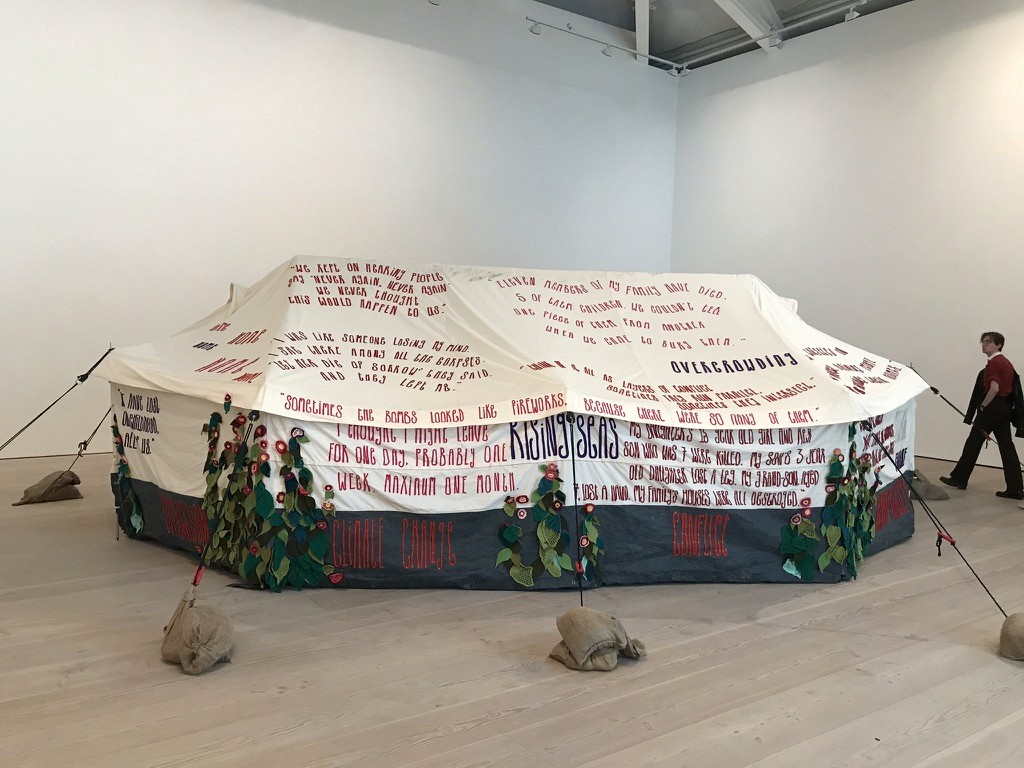
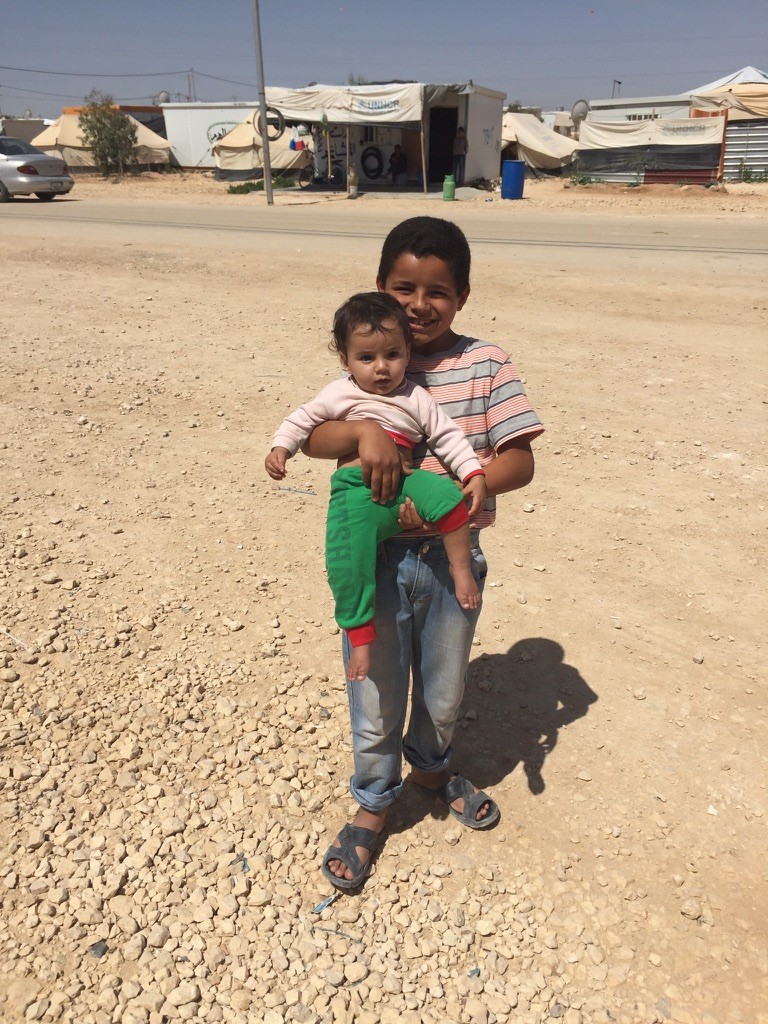
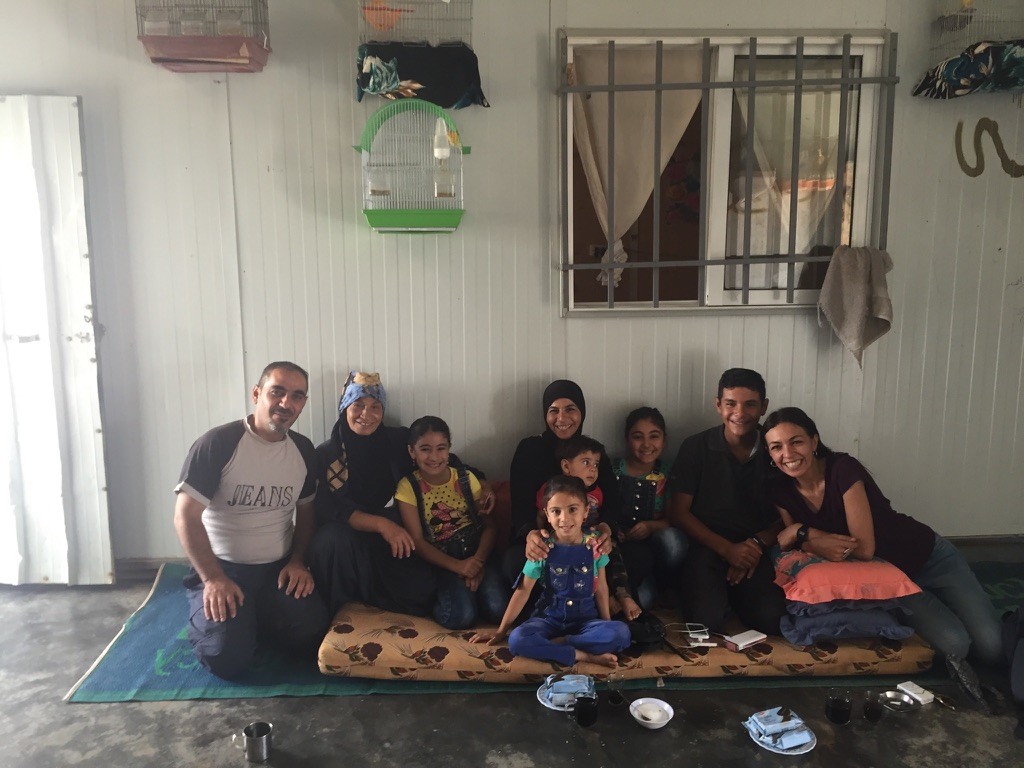
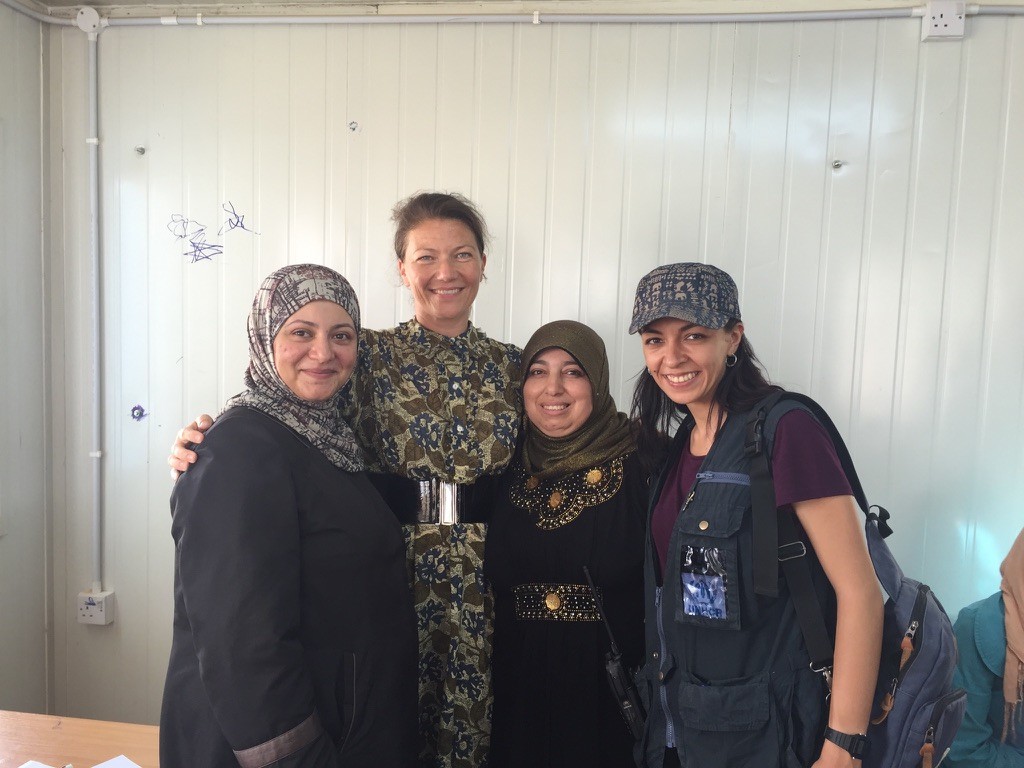
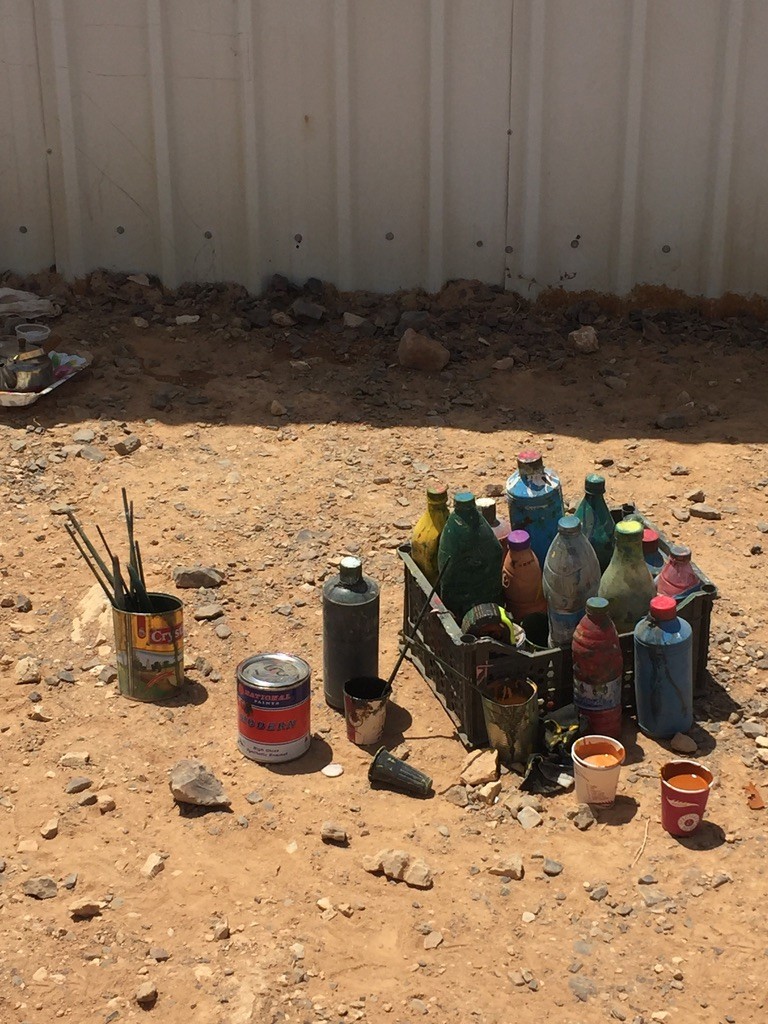
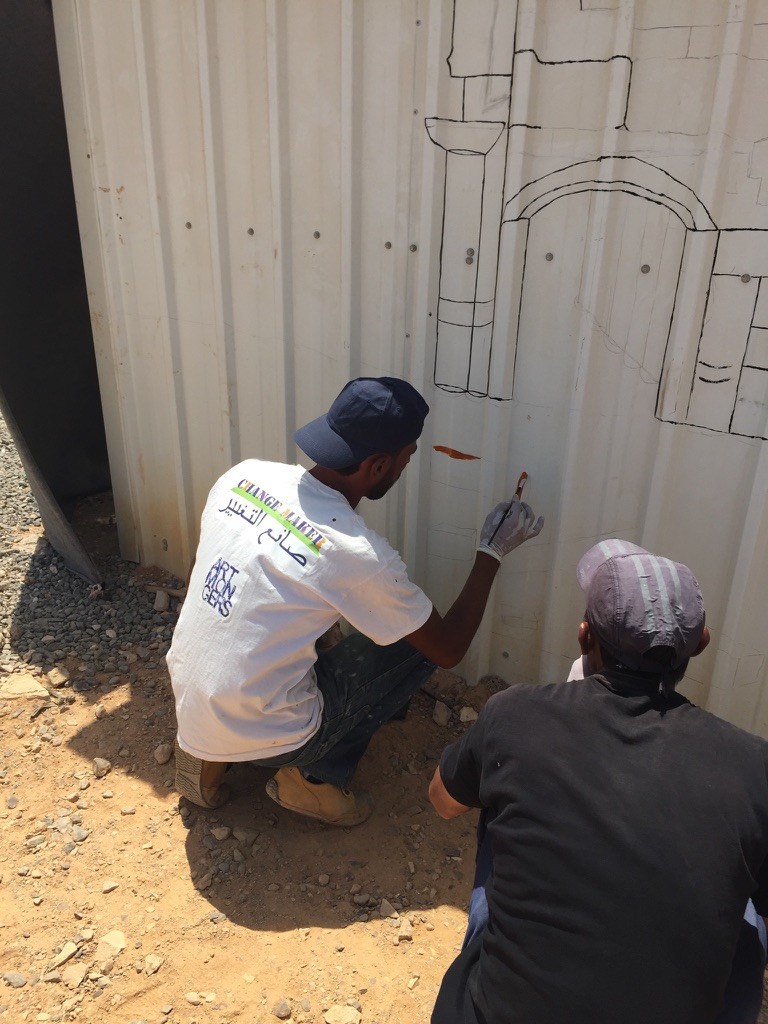
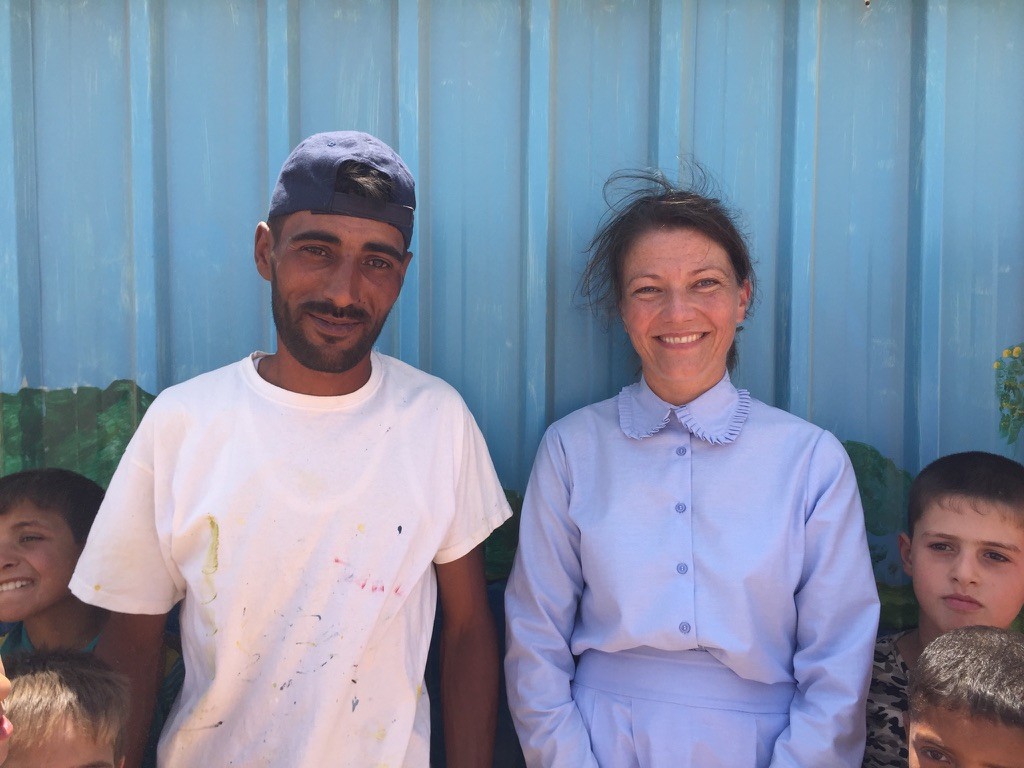
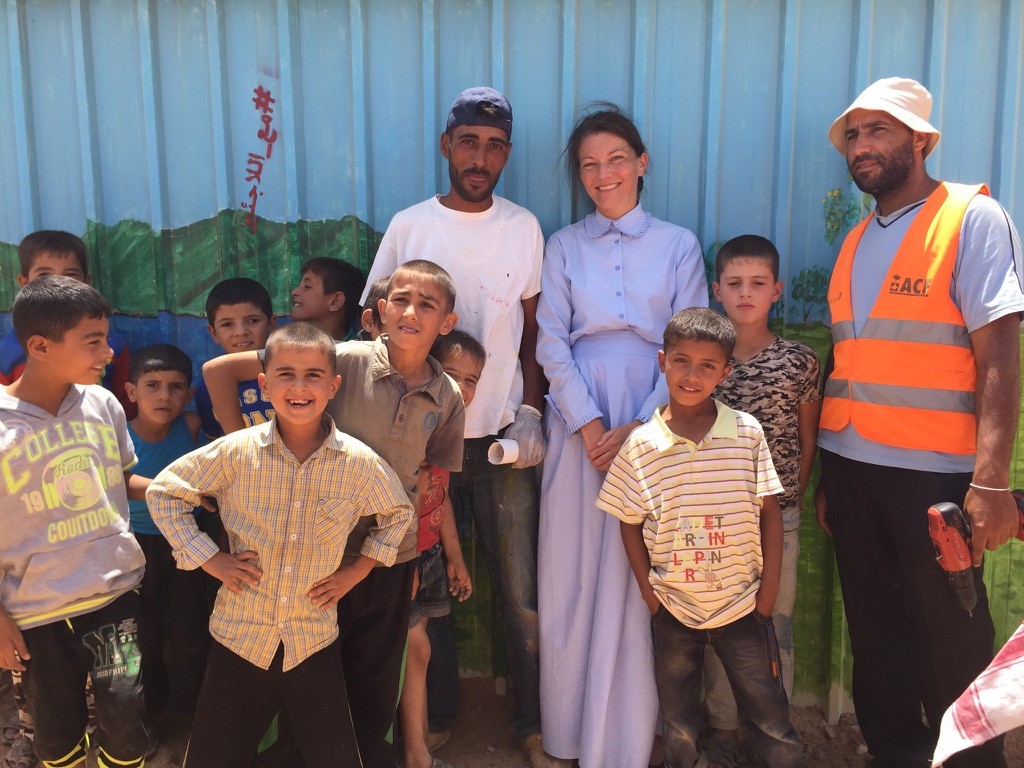
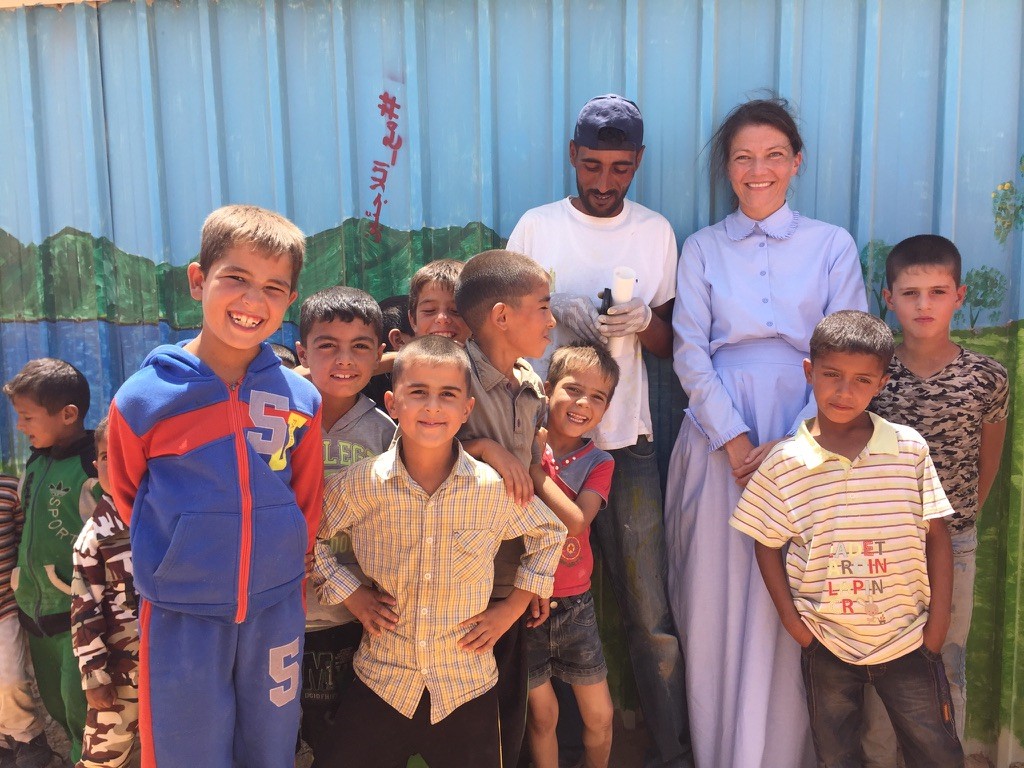
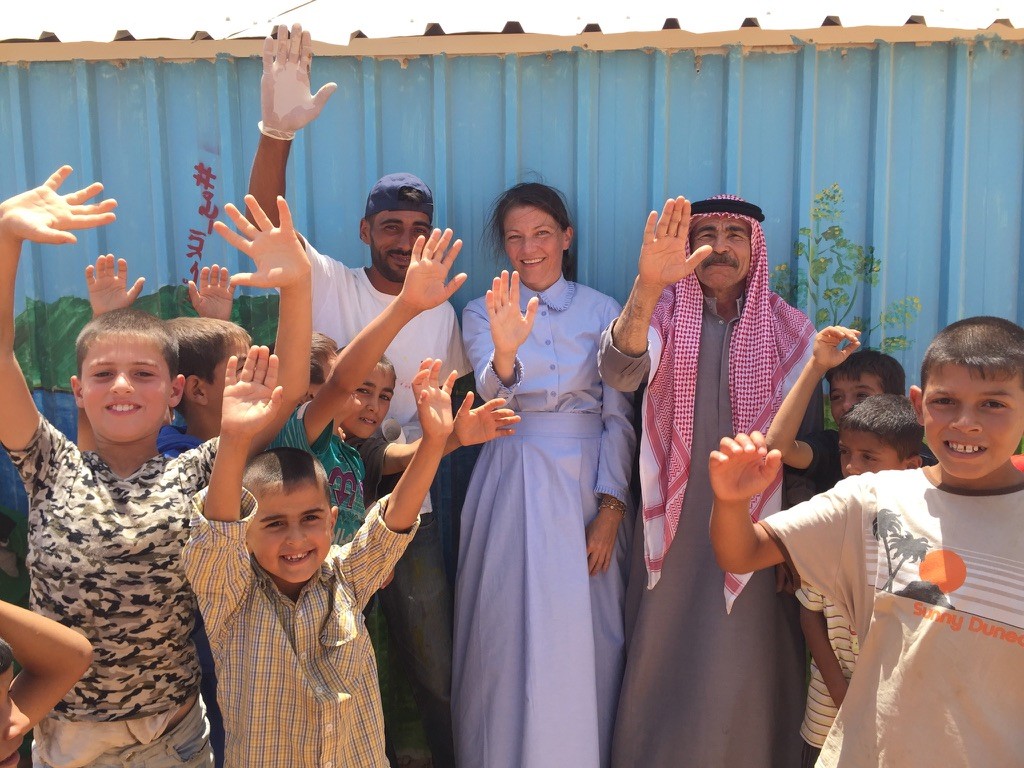
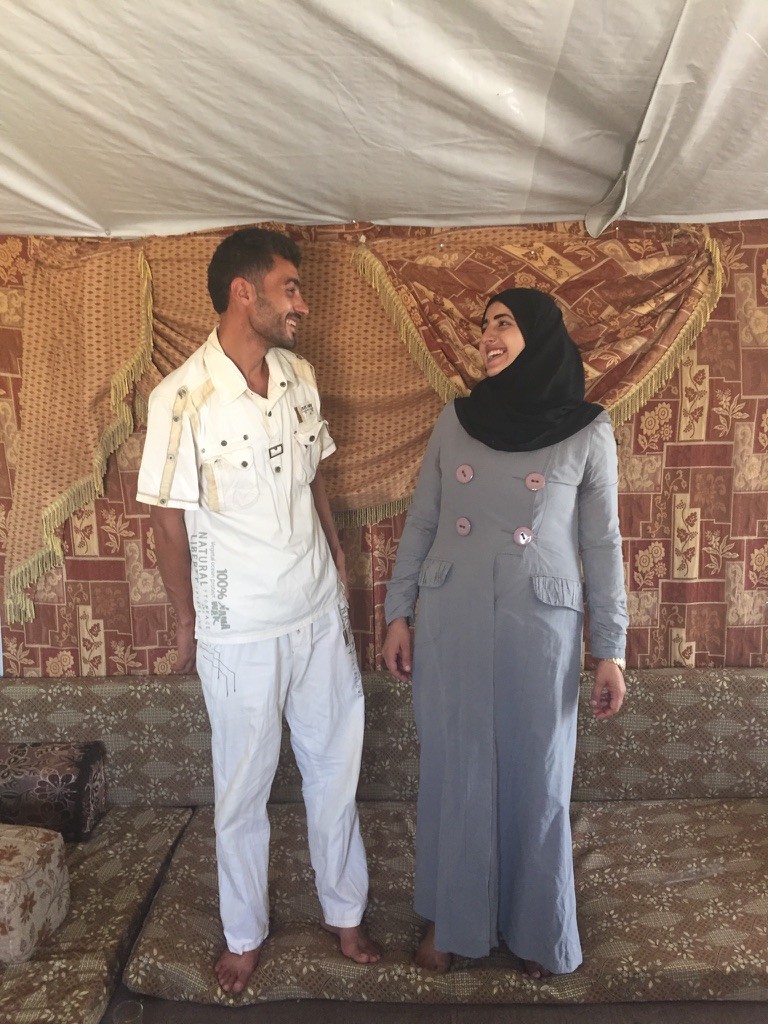
Daudy spent two years on and off researching for a project occasioned by her interest in questions of home and identity. The artist spent on and off two years going around the Middle East and southern Europe invited by the United Nations High Commission for Refugees (UNHCR) as well as other charities, national entities and individuals including The Red Cross, the US government. She visited refugee camps, government offices, a hospital for the war wounded and even a centre for the rehabilitation of torture victims. With a translator provided for her by the UNHCR when necessary she interviewed some 200 individuals involved in the ever-worsening refugee crisis, asking questions arising from her perception of the world being one. The idea was that if we are all one, then there must be something that we can learn from one another's experience to prevent the same patterns of history repeating, as well as a reflection on the individual spiritual lessons that can be learned from one another.
The interviews changed Daudy's perception of the world and led to her questions into whether there is any such thing as an absolute truth. One of the conclusions of the many interviews she conducted for "Am I My Brother's Keeper?" was that of Marcus Aurelius "Our life is what our thoughts make it". Back in London Daudy questioned theologians, writers, philosophers, scientists and politicians about this topic, which in turn led to her now longstanding interest in science and mathematics. Eventually she met and started a collaboration with Nobel Prize winning physicist Kostya Novoselov with whom she has worked worldwide making films, participatory performances, sculptures and advanced AI art installations. They have now written a book WONDERCHAOS illustrating their art + science humanitarian project Everything Is Connected. She spent 5 days at the CERN in Geneva discussing the created universe with theoretical physicists there, went to the Millenium Seed Bank in Sussex and other places where nature and our human environment are studied.
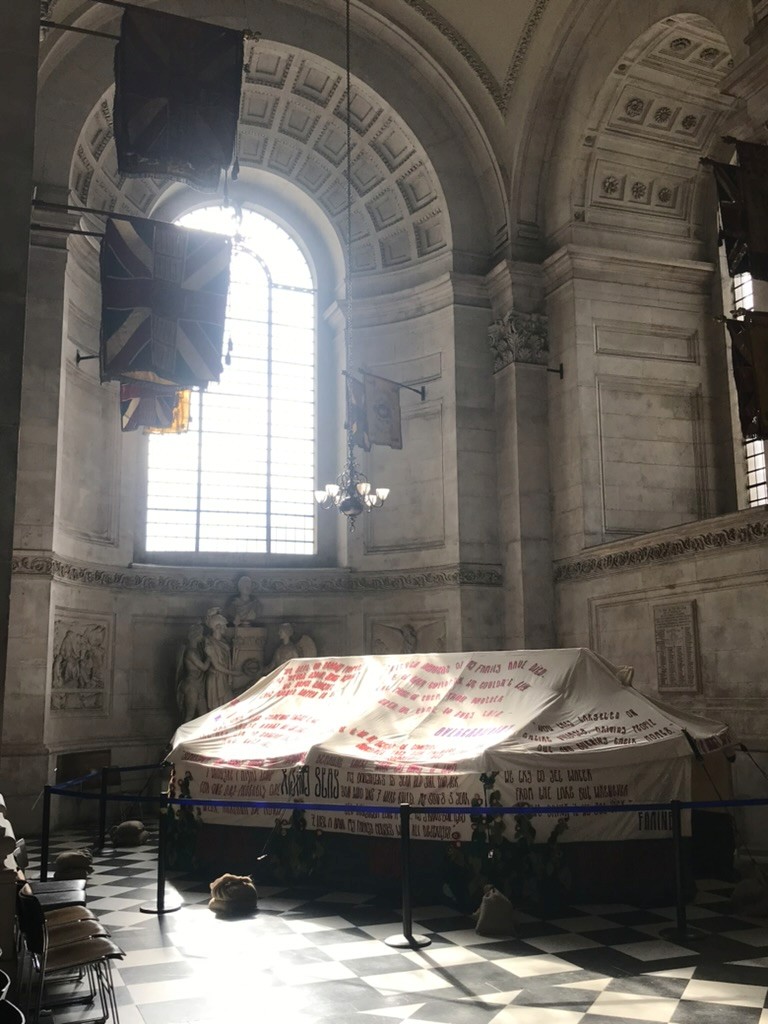
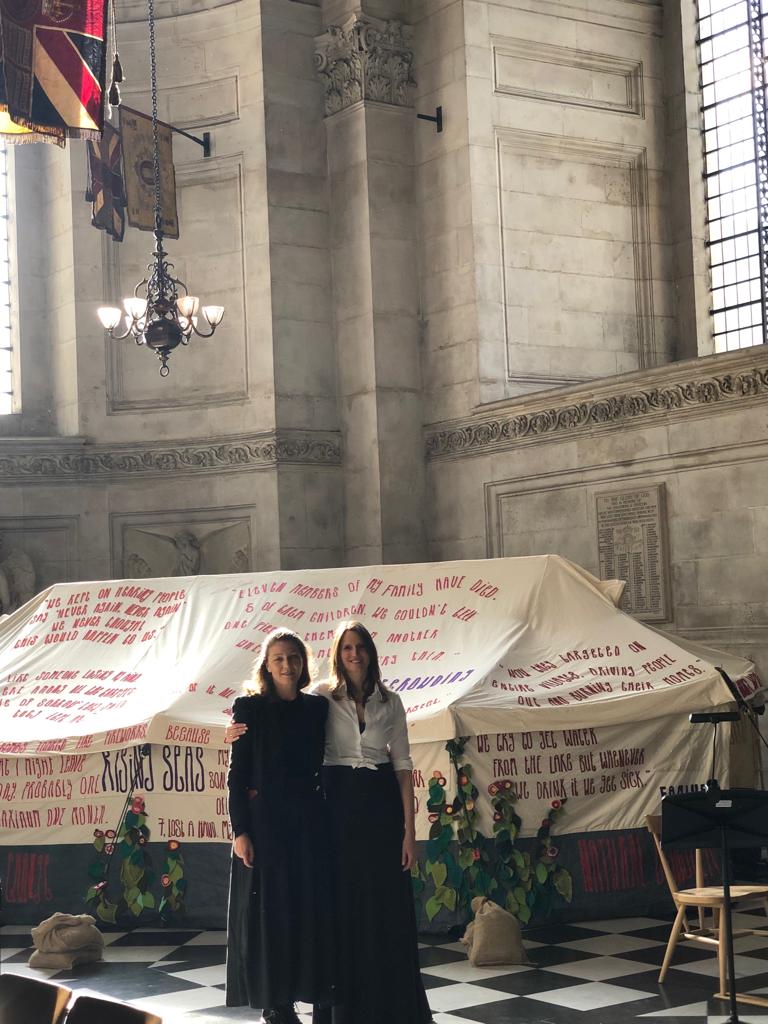
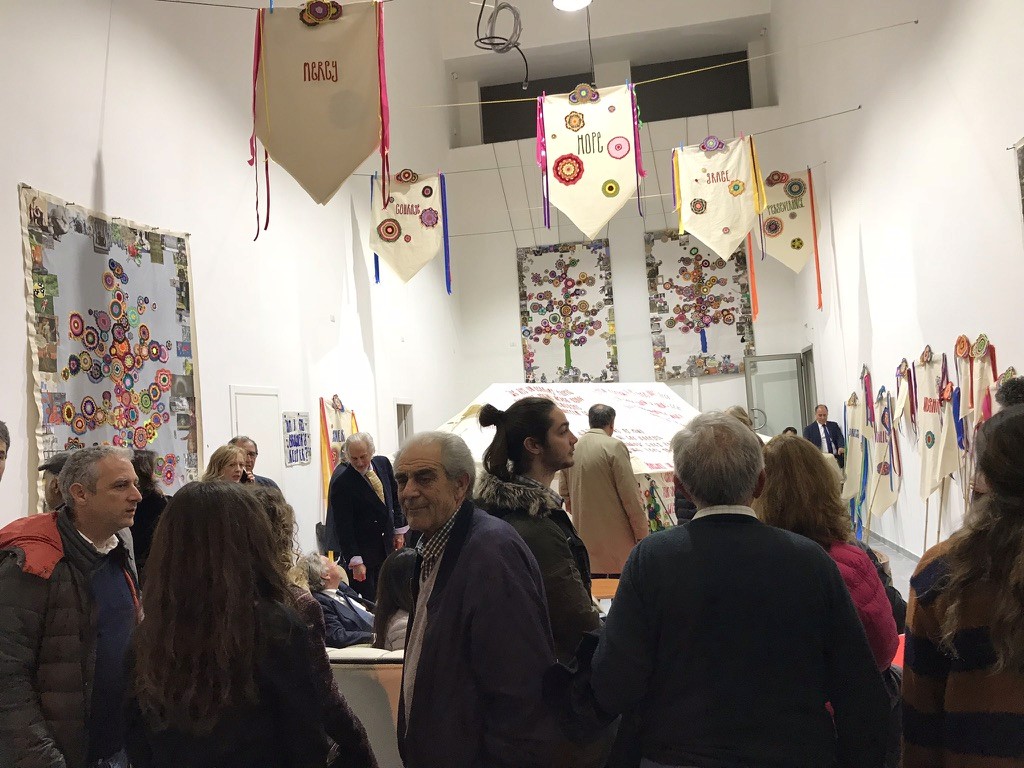
The art project was given to the UNHCR who used it for raising awareness. It was extremely effective. The project was put on the national curriculum in Spain and shown at museums, galleries and public locations including the Whitworth in Manchester, the Saatchi Gallery in London, the Edinburgh Festival, the European Parliament. It was lost in Spain by Javier Gila who was in charge of it at the time and left it on the stairs outside his office. The tent was thrown on to a skip thanks to this carelessness, and did not end up fulfilling its incredible dance card of invitations including to come to The Vatican, the Metropolitan Museum of Art in New York City and other places. Daudy considers this loss of the art work to be an interesting analogy for the loss of so many individual futures and lives as part of the refugee crisis and is reflecting on writing a book about the topic.
The art work also occasioned films, workshops, collaborations and new encounters. To replace "Am I My Brother's Keeper?" Daudy installed written interventions all over London in 2024 as part of a multimedia project SUPERBLOOM with a mapping project, book, show at the gallery of Lyndsey Ingram in London. The body of work was much acclaimed and even mentioned in Marina Warner's book "Sanctuary" https://www.theguardian.com/books/2025/jun/17/sanctuary-by-marina-warner-review-the-power-of-stories-in-an-age-of-migration
Film producer Odessa Rae made a film about Daudy's work in New York City at the time of Trump's Muslim Travel Ban. Thanks to the help of the UNHCR, the Metropolitan Museum of Art, Central Park, Robert de Niro at the Greenwich Hotel where they filmed interviews and other important institutions, not to mention the support of the musician Moby, the film was made in short time and given to the UNHCR who cut it up and used it for publicity, meaning the film has now been seen many millions of times and been of great public utility.
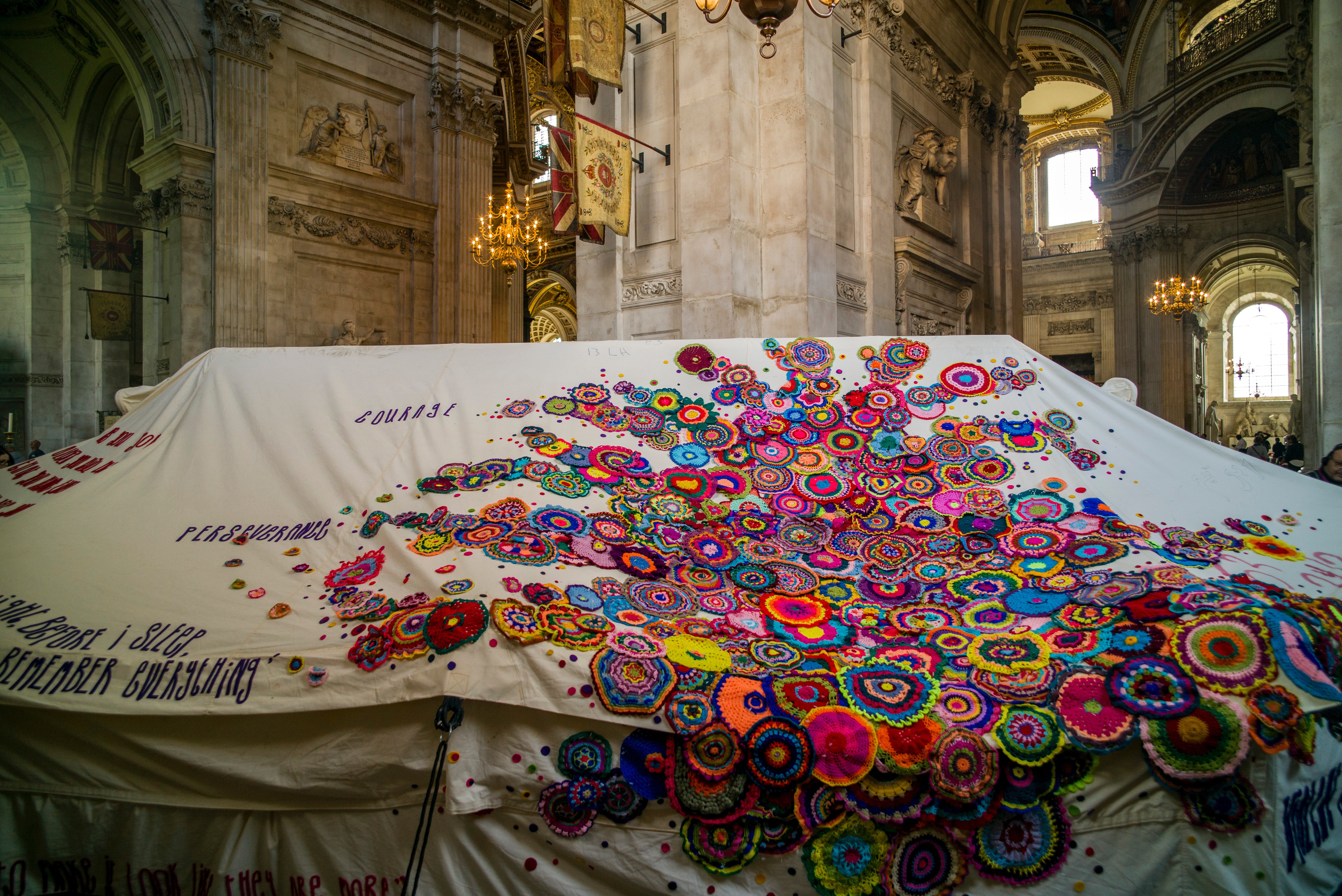
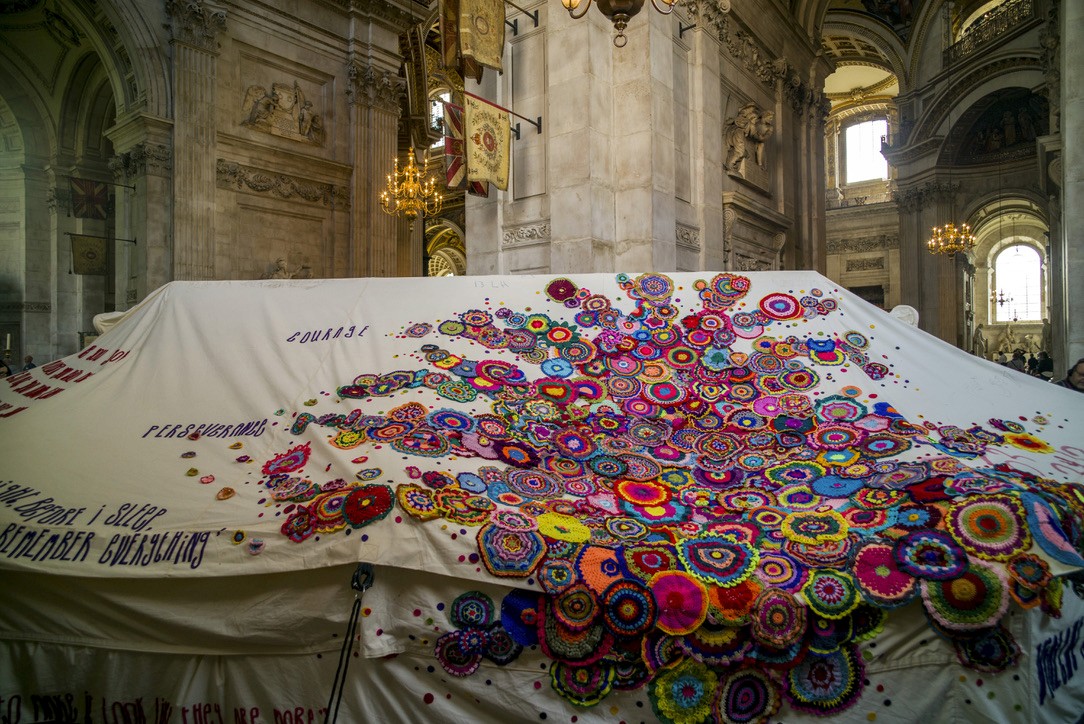
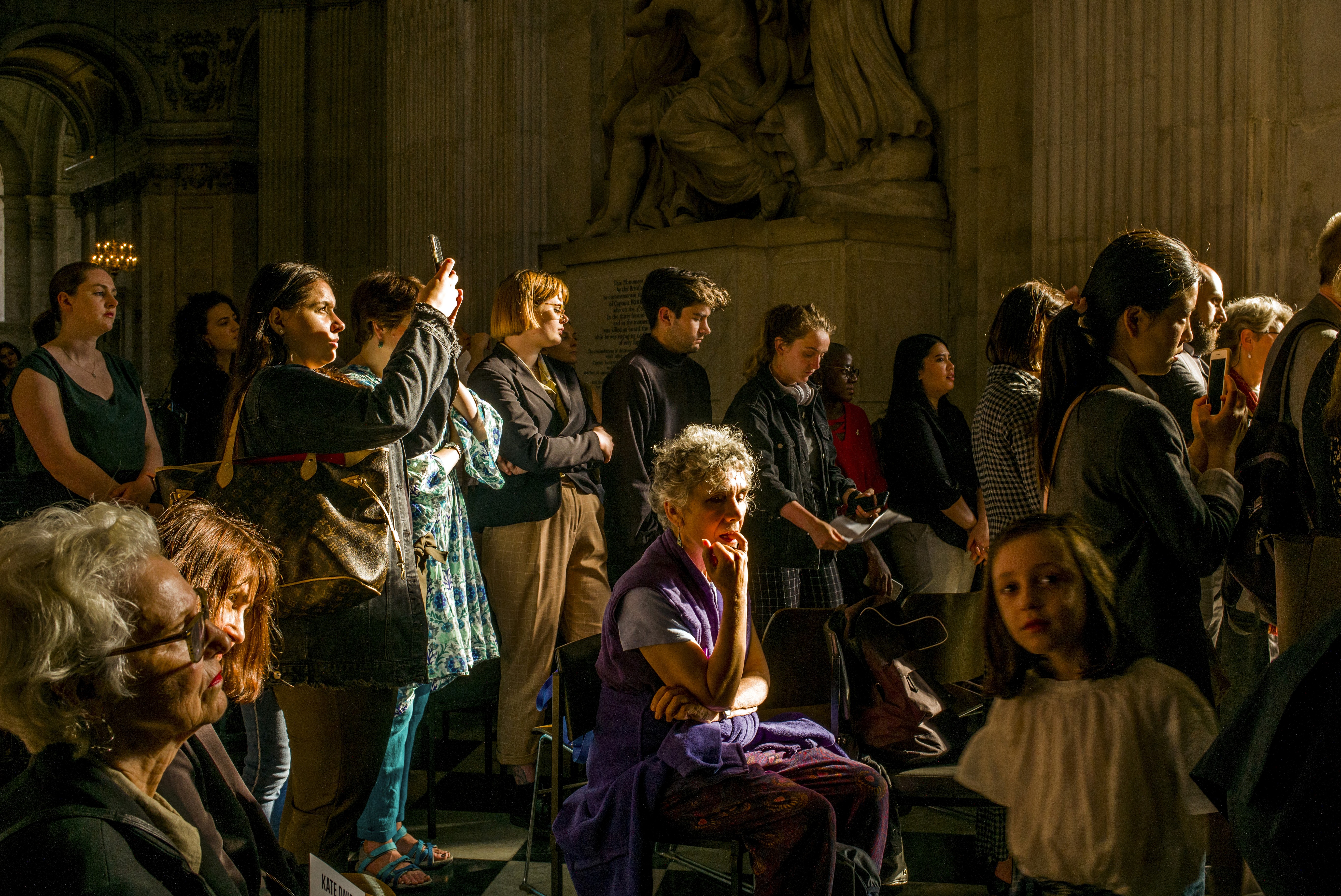
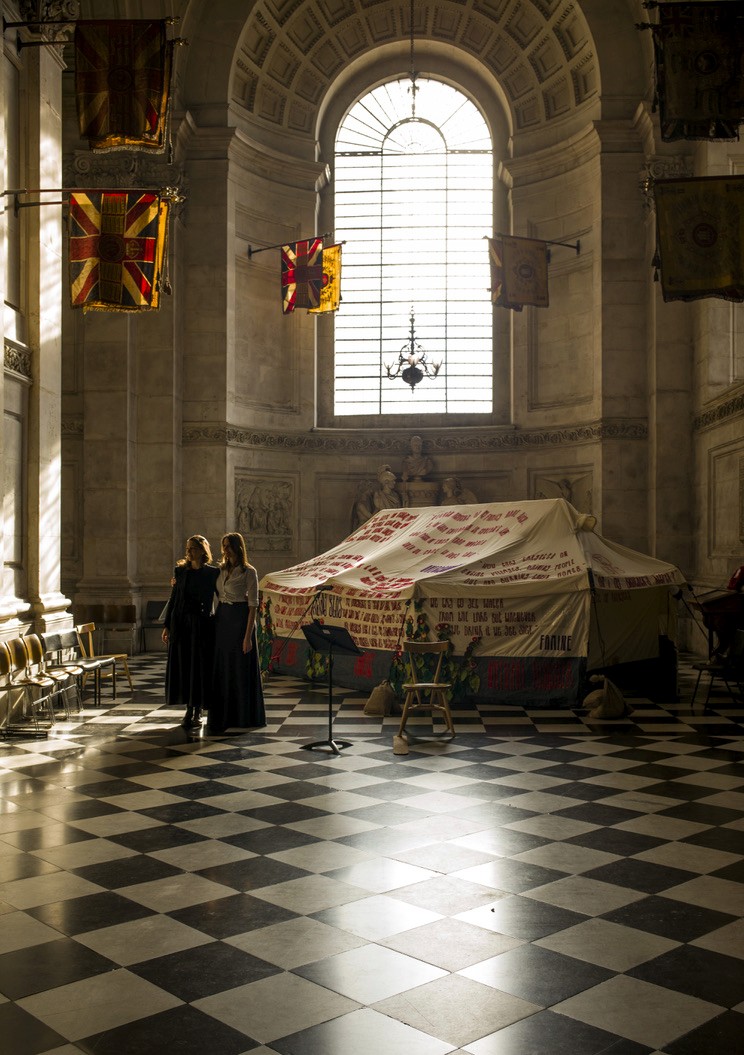
Daudy's work installed inside Saint Paul's Cathedral, London