Named by Fundacion ONUART "Great Creator" alongside Daniel Barenboim and Miguel Barcelo for her work promoting human rights through the arts
2016
Sculpture
Am I My Brother’s Keeper?
Daudy was named a "Great Creator" by the ONUART Foundation in 2016 for her work promoting human rights through art work.
https://www.fundaciononuart.es/en/great-creators/
https://www.fundaciononuart.es/en/portfolio-item/kate-daudy-2/
Onuart Foundation
ONUART’s first major project was the comprehensive refurbishment of the Human Rights and Alliance of Civilizations Room of the United Nations Palais des Nations in Geneva. The room’s dome incorporates the work of art produced by the artist Miquel Barceló. Having now completed this first project, the ONUART Foundation is further developing its strategic goals, disseminating the values and principles that underpin effective multilateralism through culture and art in initiatives associated with United Nations and its Agencies.
The great honour of being named a Great Creator by ONUART puts her in a space there alongside Daniel Barenboim for his West-Eastern Divan Orchestra , Miguel Barcelo for his work on the great domed ceiling of the Human Rights and Alliance of Civilisations Room at the United Nations Palais des Nations in Geneva.
The ONUART Foundation’s first major project was the refurbishment of Room XX which, after the renovation, has been renamed “Human Rights and Alliance of Civilisations Room”.
The Human Rights Room in the Palais des Nations was inaugurated by the King and Queen of Spain and the Secretary-General of the UN, with the presence of the President of the Spanish Government, the President of the Swiss Confederation and the Turkish Prime Minister on 18 November 2008. Four months later, in March 2009, it was officially inaugurated on the occasion of the staging of the Human Rights Council. The Human Rights Room is the most modern negotiation room of the United Nations and is equipped with the latest technological advances in terms of audiovisual mediums, conference services, interpretation and telecommunications systems. It can seat 742 delegates and hosts the meetings of the United Nations Human Rights Council and any activities that the United Nations Organisation deems appropriate to stage in this venue.
Since it was inaugurated, the Human Rights Room has hosted two plenary sessions of the Human Rights Council and more than 280 meetings of various Geneva-based International Bodies, with approximately 35,000 delegates having attended and more than 150,000 people having visited it.
For more details on the room: https://www.fundaciononuart.es/en/events-and-projects/room/
Daniel Barenboim and his West-Eastern Divan Orchestra
Understanding and comprehension between cultures, through music.
In the hall of Human Rights and the Alliance of Civilizations, Master Daniel Barenboim and the West-Eastern Divan orchestra -made up of musicians from Palestina, Israel and diverse Arab countries- plays the Concerts for Human Rights.
Daniel Barenboim is the General Music Director of the Berlin Staatstoper. Born in Buenos Aires in 1942, he moved to Israel as a nine-year-old. Barenboim gave his first public concert at the age of seven; his international debut as solo pianist followed at the age of ten. “The eleven-year-old Barenboim,” Wilhelm Furtwängler remarked, “is a phenomenon”. Between 1975 and 1989, he led the Orchestra de Paris, from 1991 to 2006 the Chicago Symphony Orchestra.
In 1999, together with his friend Edward Said, he founded the West-Eastern Divanb Orchestra of young israelí and arab musicians; the Barenboim-Said Academy Berlin will open its doors in 2016 for mostly Middle Eastern students with a curriculum in Music and the Humanities. Daniel Barenboim receives worldwide recognition for his work with the West-Eastern Divan Orchestra with is reflected by many distinguished awards. Since 2007 Daniel Barenboim is UN messenger of peace.
https://www.fundaciononuart.es/en/portfolio-item/daniel-barenboim-2/
Kate Daudy
Exploring the boundaries between language and sculpture
Born in 1970, Kate Daudy is known for work exploring the limits of language and sculpture/text crossover. A committed peacenik, a strong current of Daudy’s work as a visual artist expresses a desire for socio-political commitment from individuals, encouraging a sense of empowerment.
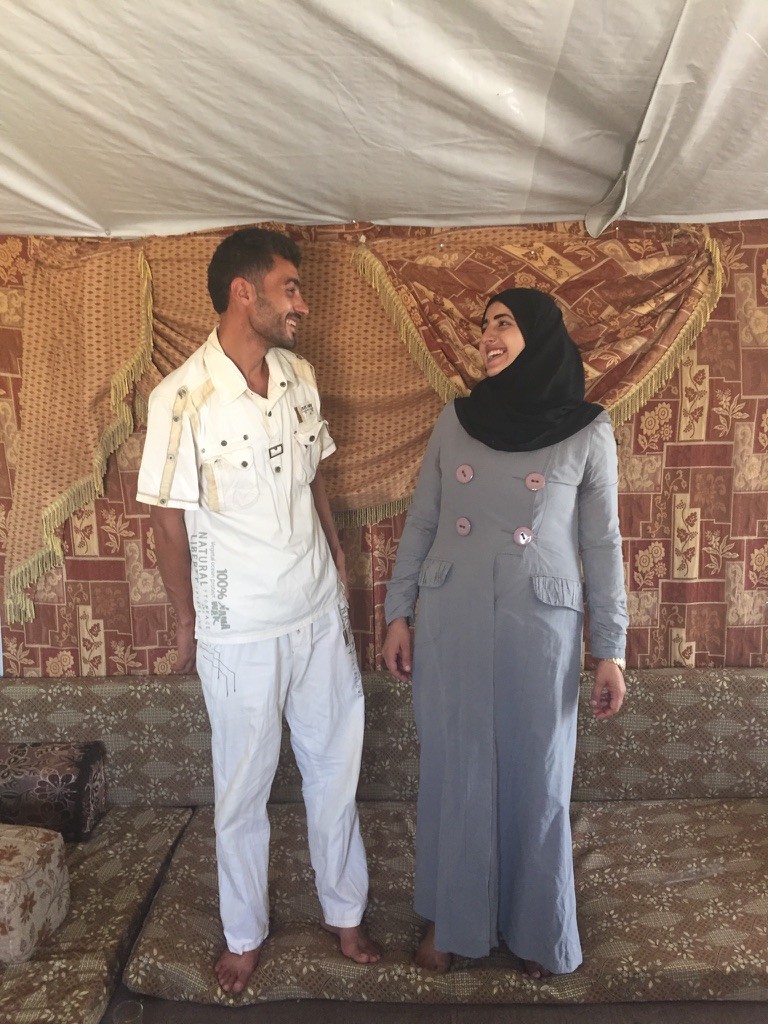
Early 2016, British artist Kate Daudy was designated by ONUART and commissioned to work on a used UNHCR tent provided to her, through their introduction, by the United Nations High Commission for Refugees (UNHCR).
Known for her written interventions in public/private spaces expressing her search for meaning, she has redefined an ancient Chinese tradition as a contemporary art form for the modern era.
Driven by an insatiable curiosity about language and its creative potentials, her experiments have led her into collaborative dialogue with an array of artistic forms and disciplines.
The multi-dimensional works resulting from these interactions can be seen across Europe, America and the Middle East.
This ONUART-commissioned artwork, with the working title of “Home 32° 17′ 44.4″ N, 36° 19′ 25.5″ E” was conceived with the utilitarian purpose of giving voice to those experiencing the crisis first hand and in order to promote understanding and compassion.The message of the tent is apolitical. This refugee crisis is a human experience transcending questions of nationality or individual politics.
Thanks to the support of the Fundacion ONUART and other institutions, the work will tour museums and public institutions in various UN countries to raise awareness of the refugee situation and the work of the United Nations High Commission for Refugees.
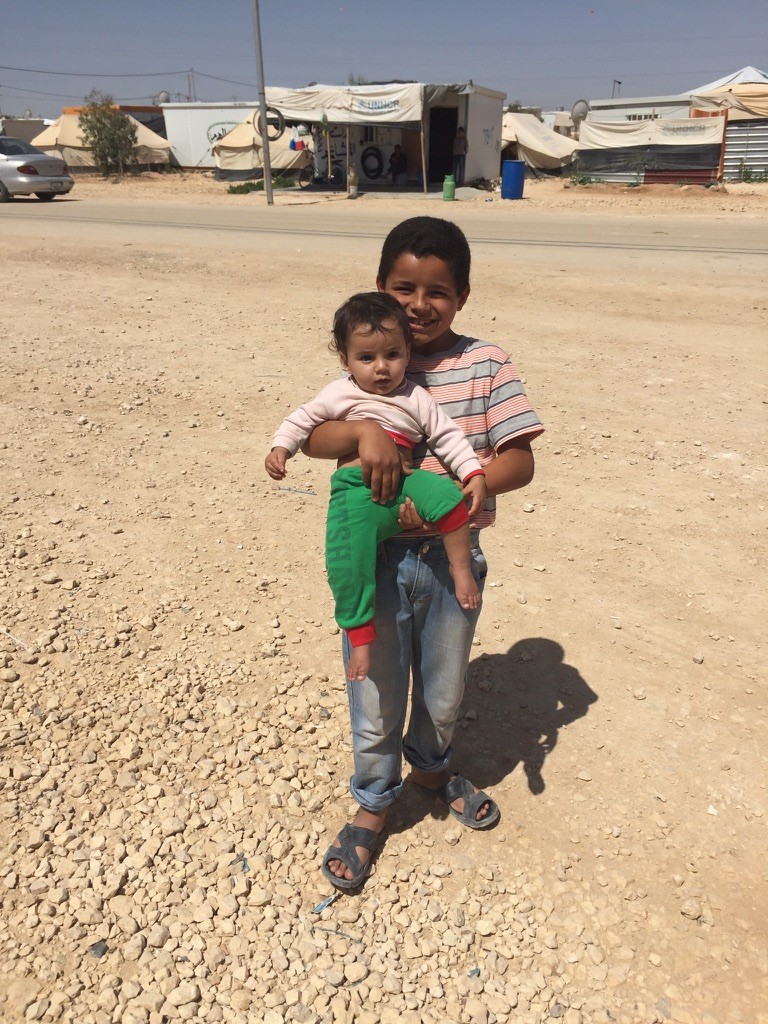
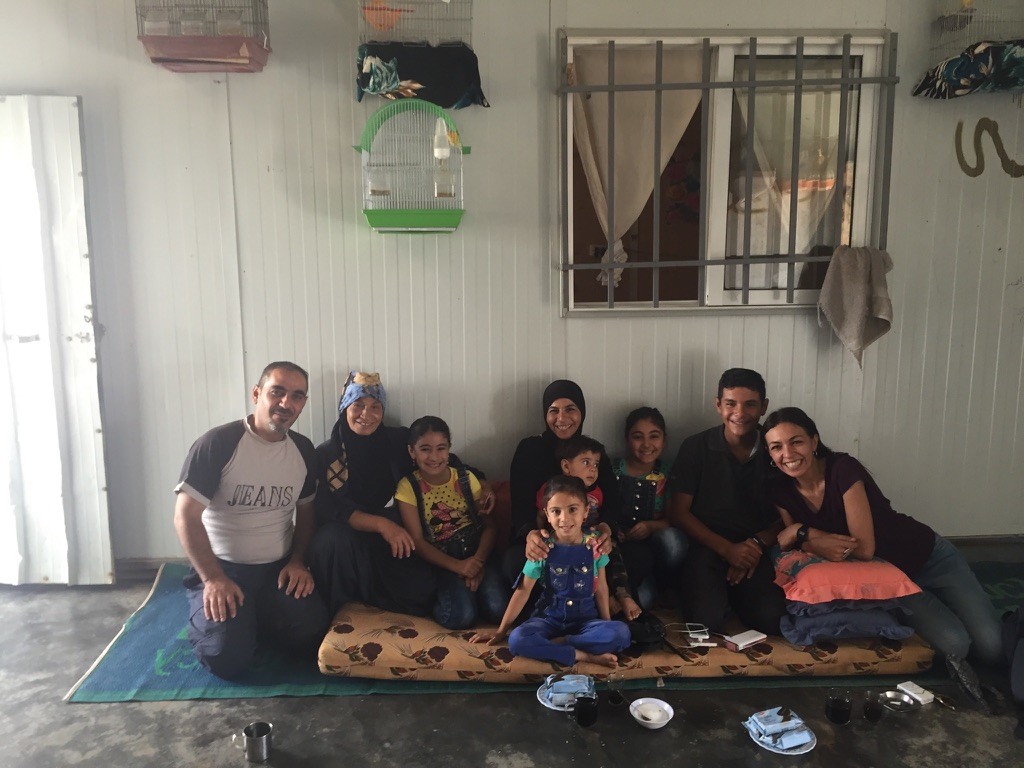
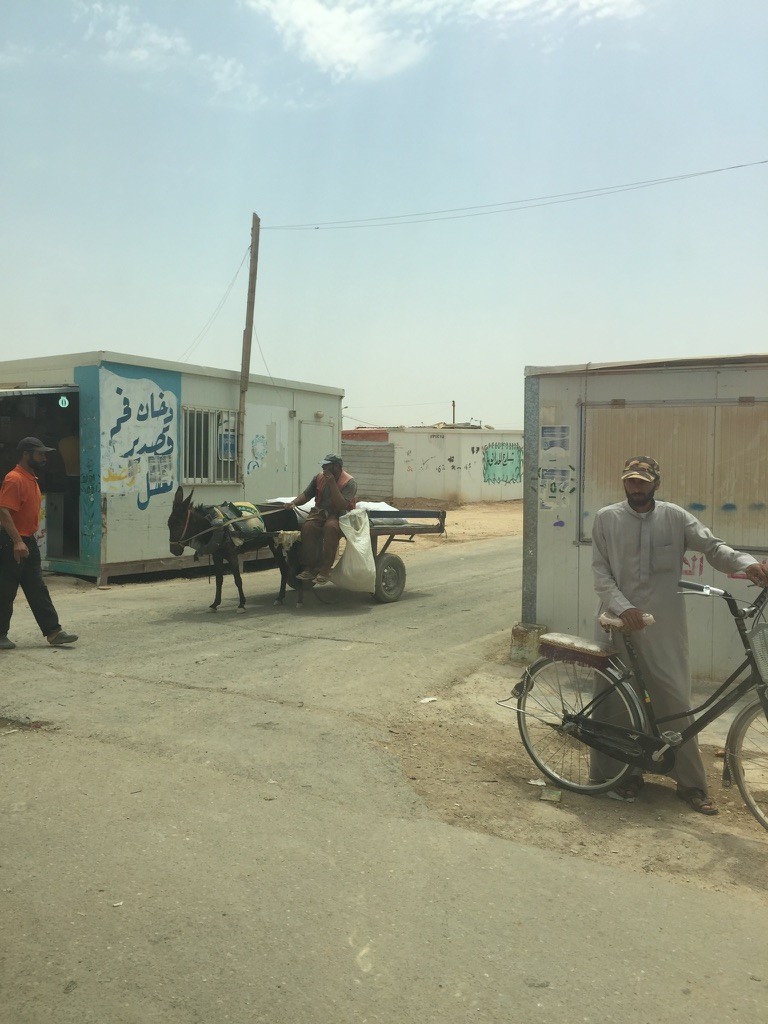
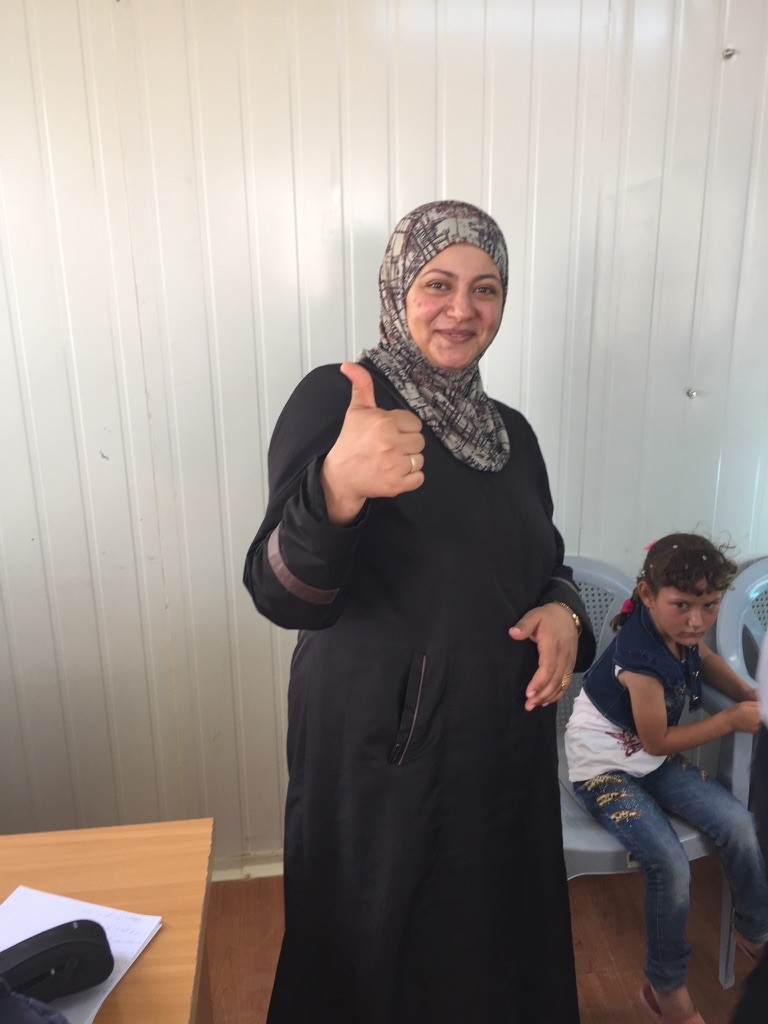
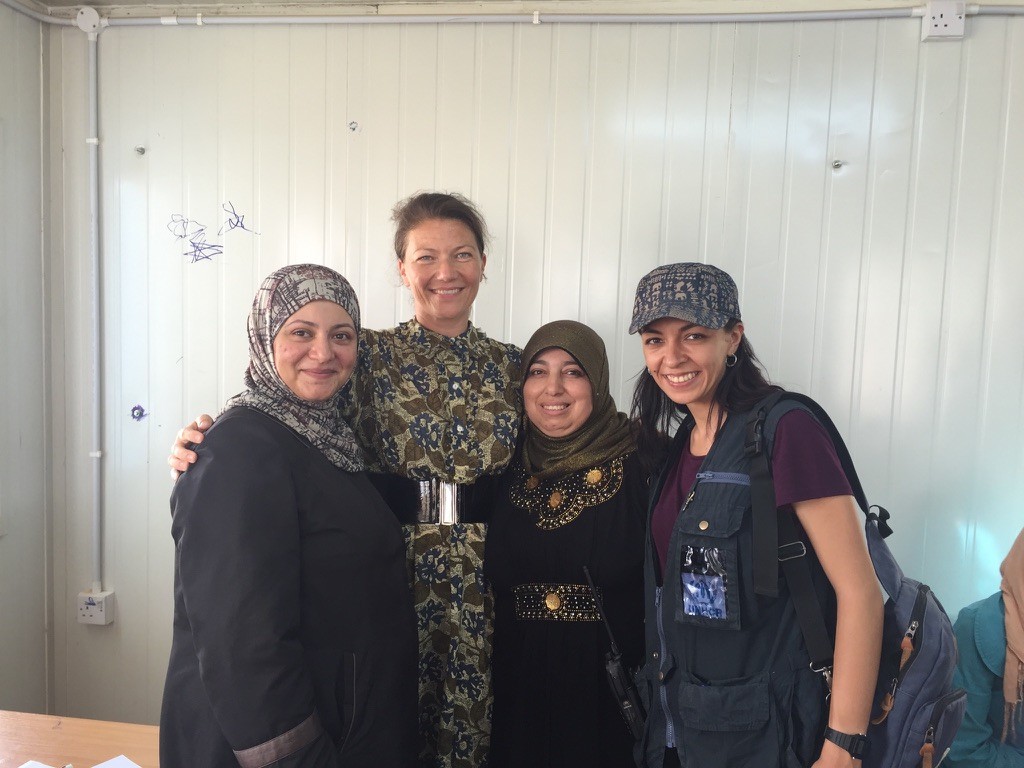
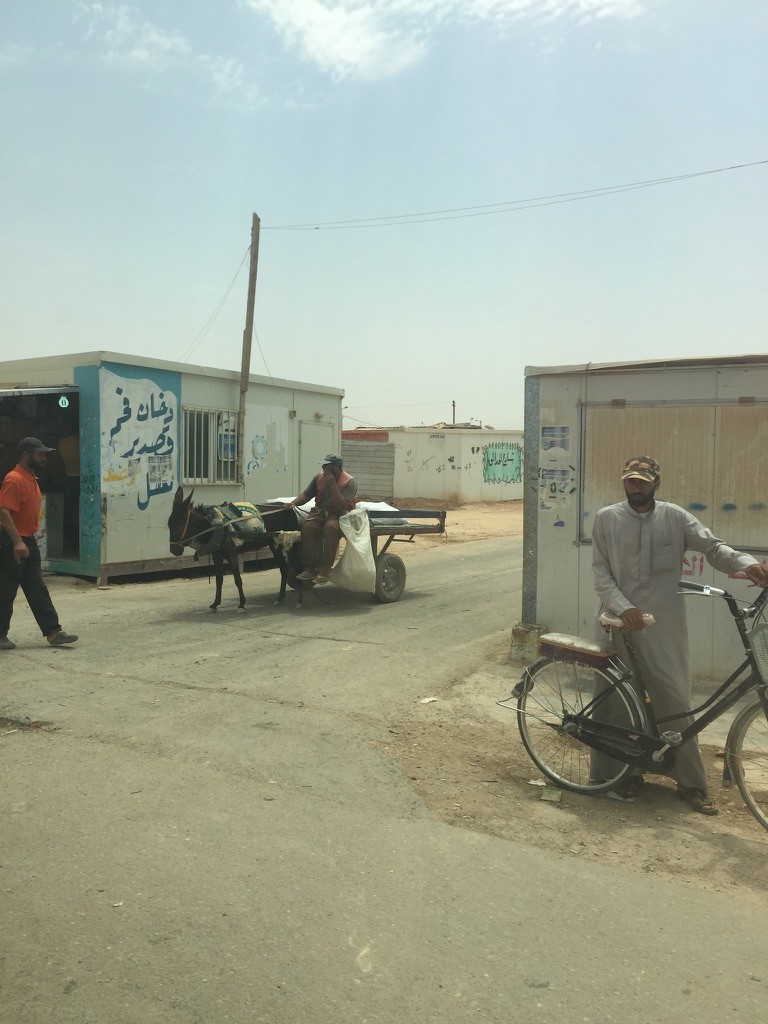
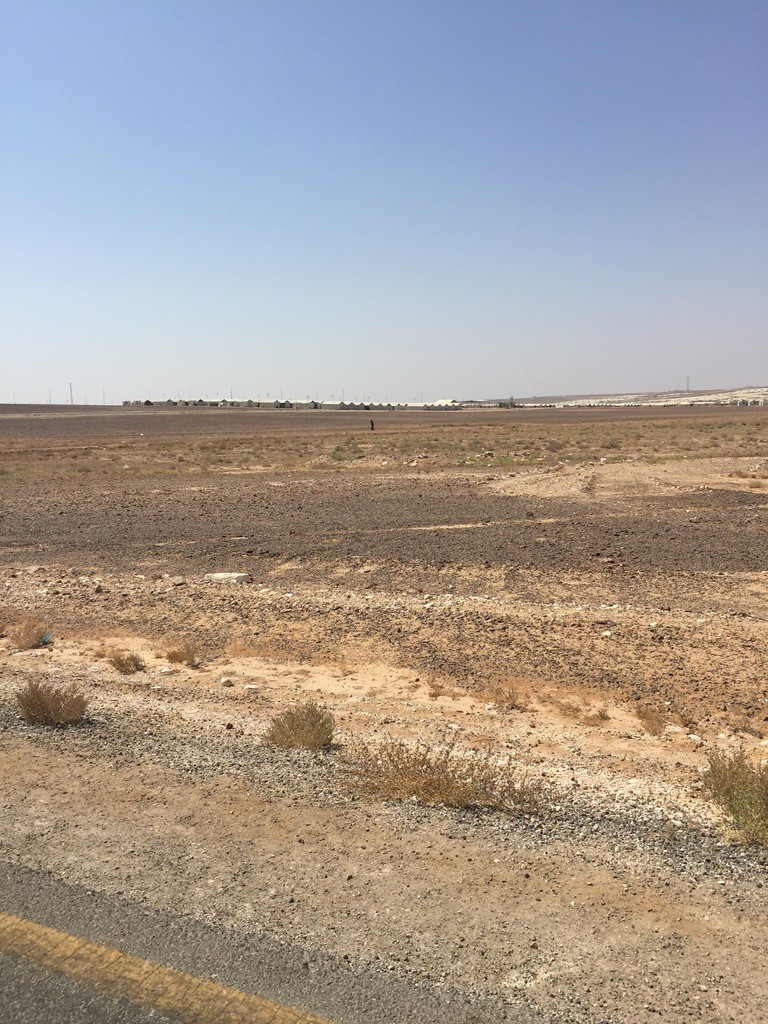
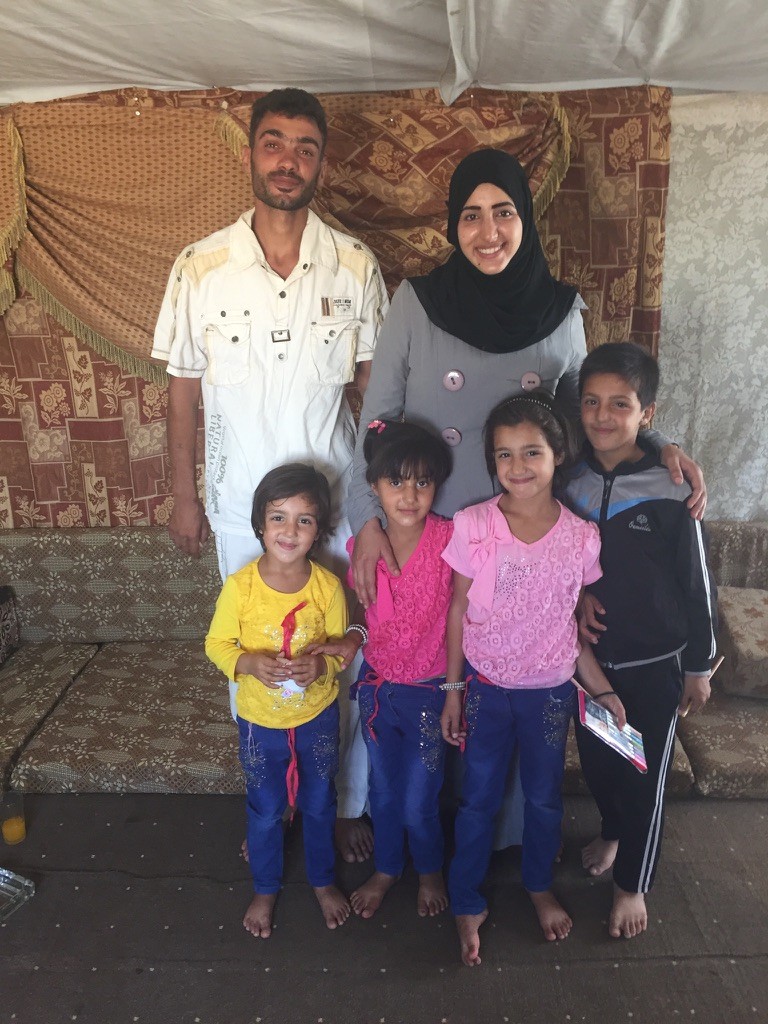
To help Daudy’s understanding of the situation the UNHCR organised for her to visit refugee camps in the Middle East. There and subsequently she met many hundreds of refugees, aid workers, doctors, human rights activists volunteers, lawyers from over 60 nations.
Struck with admiration for the human qualities of the individuals she encountered, Daudy will draw attention to their plight, and share lessons of their positive mindset. The trauma and loss of 67 million registered refugees must teach us something useful for the future.
The research upon which Daudy engaged for the purpose of this tent has led to a series of new bodies of work, inspired by the refugees and those she met with them. Most notably Daudy has embarked upon a prolific campaign of written interventions in public and private places, across Europe, the UK and the Middle East, conveying positive, thought-provoking messages and ideas. She has written across more than 250 places, from tree stumps to prestigious museums, rubbish bins, fire hydrants, world-famous restaurants, bus shelters, greasy spoons, grocery shops, a refugee registration centre, youth centres, libraries, schools and street corners.
Daudy currently has a solo show “This is Water” at the Yorkshire Sculpture Park in the UK and work at the “Off the Page” show at Mesa Contemporary Arts Centre in the USA.
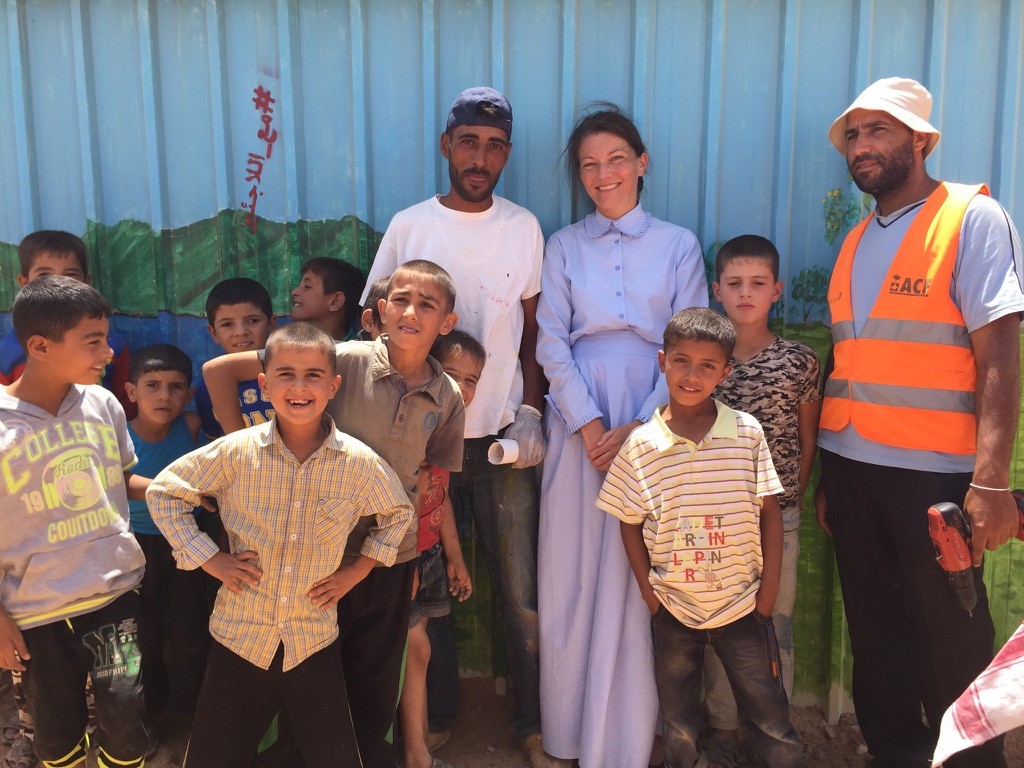
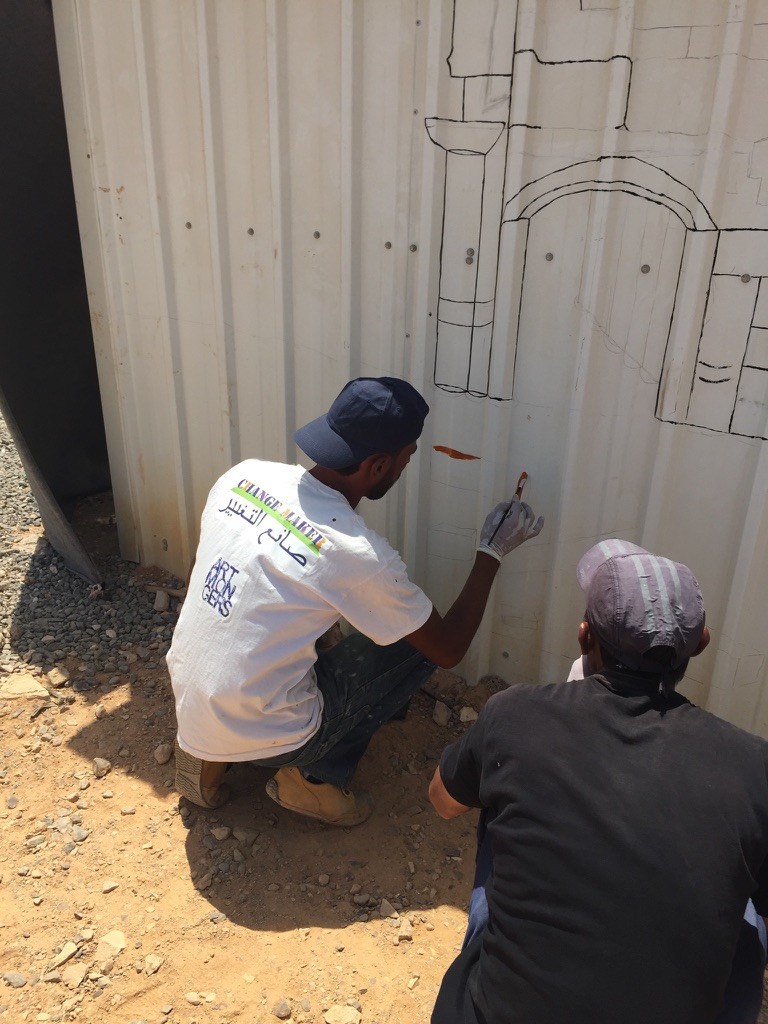
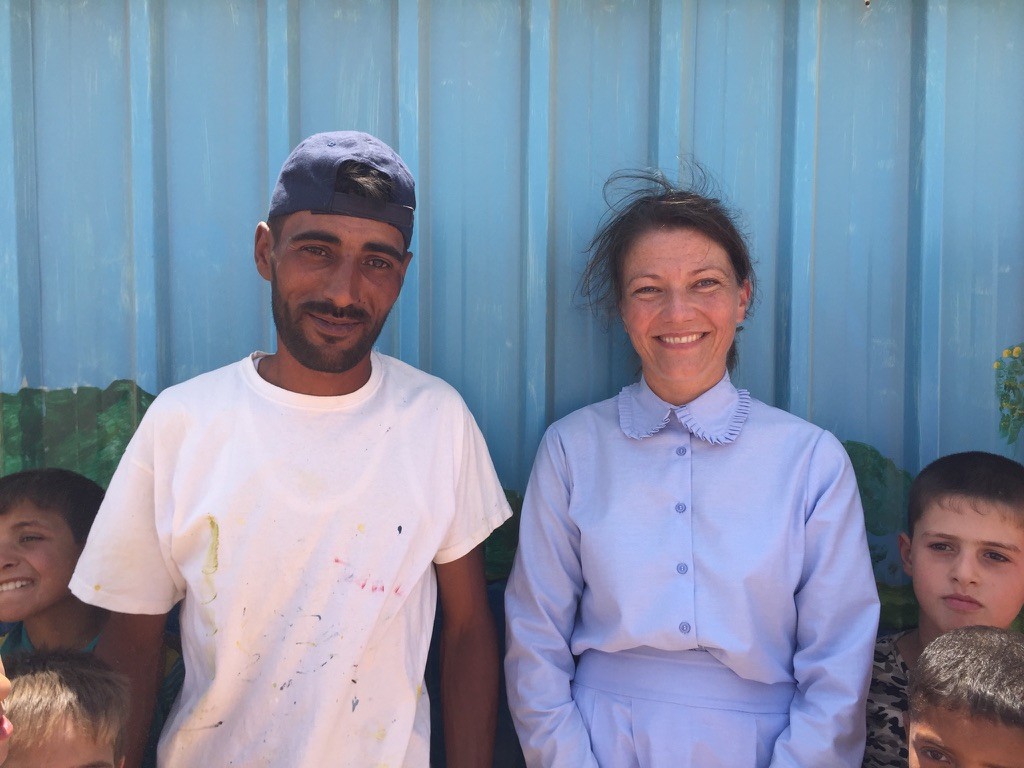
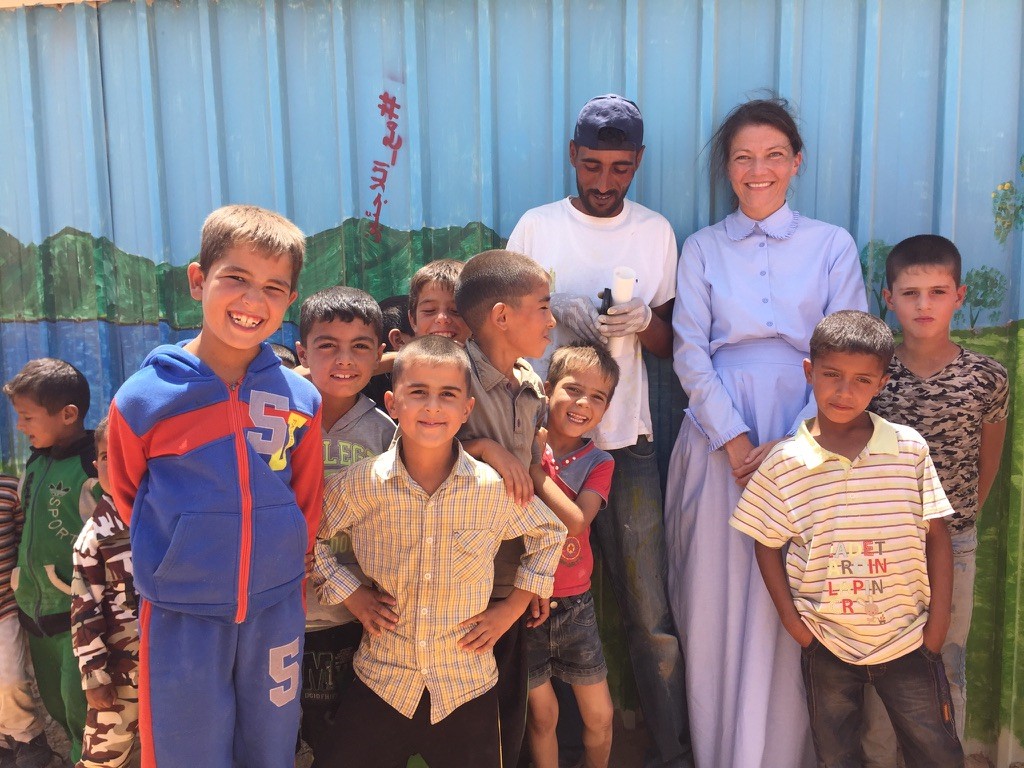
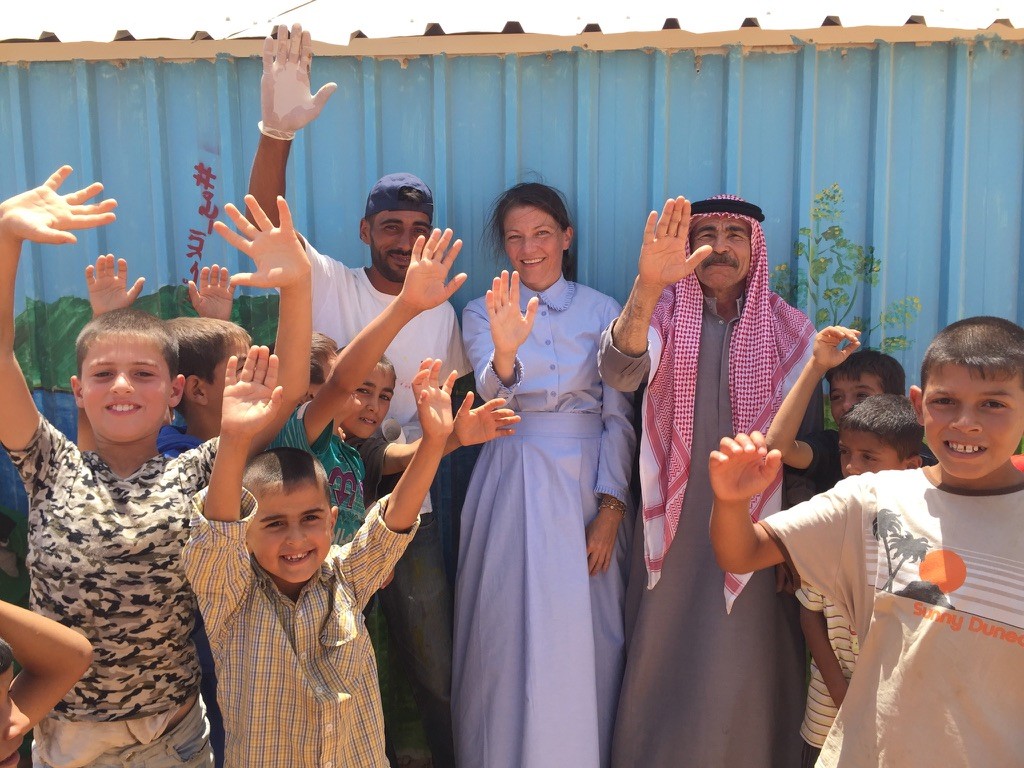
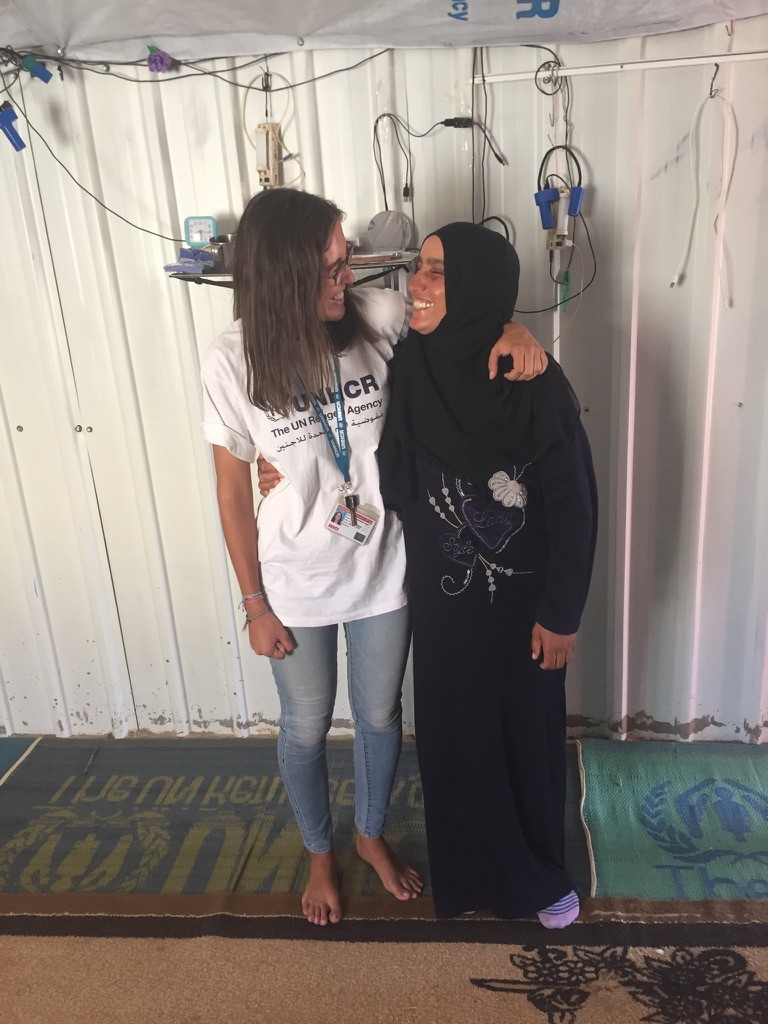
Daudy with fellow artists at Azraq Refugee Camp, Jordan, 2016