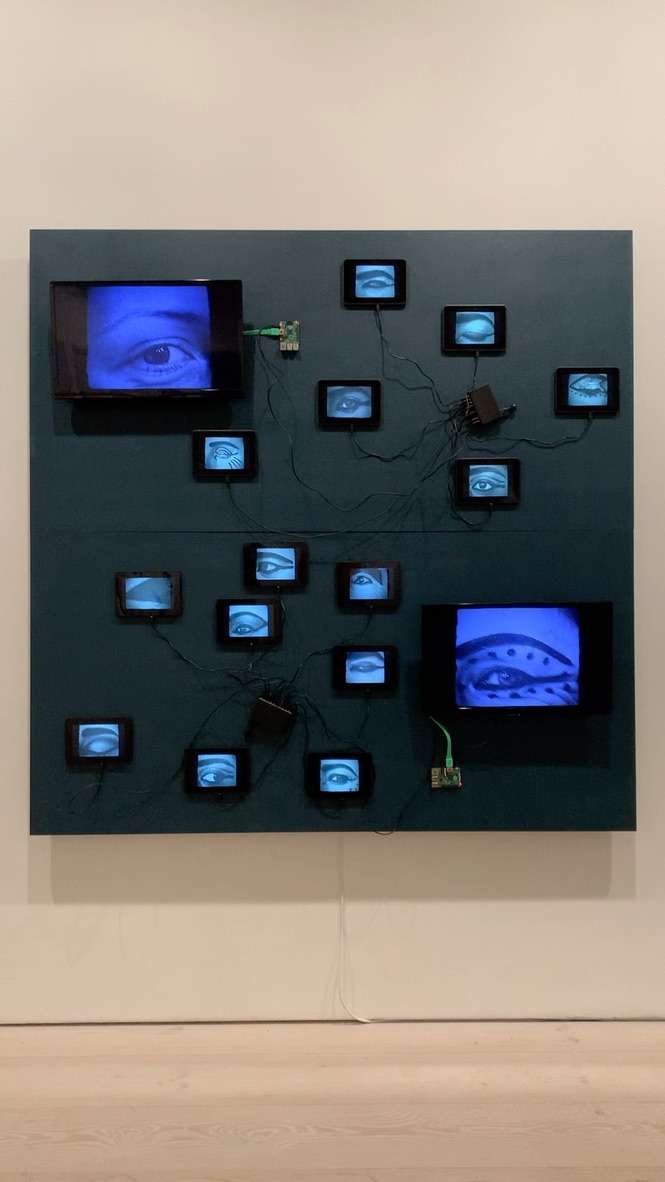
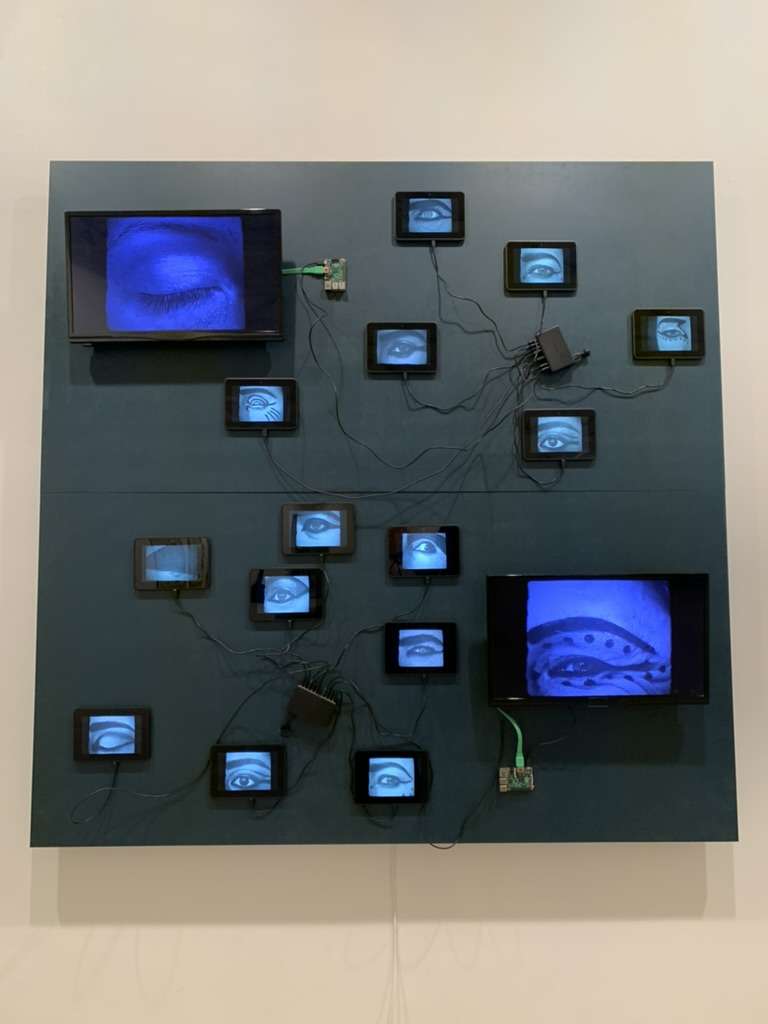
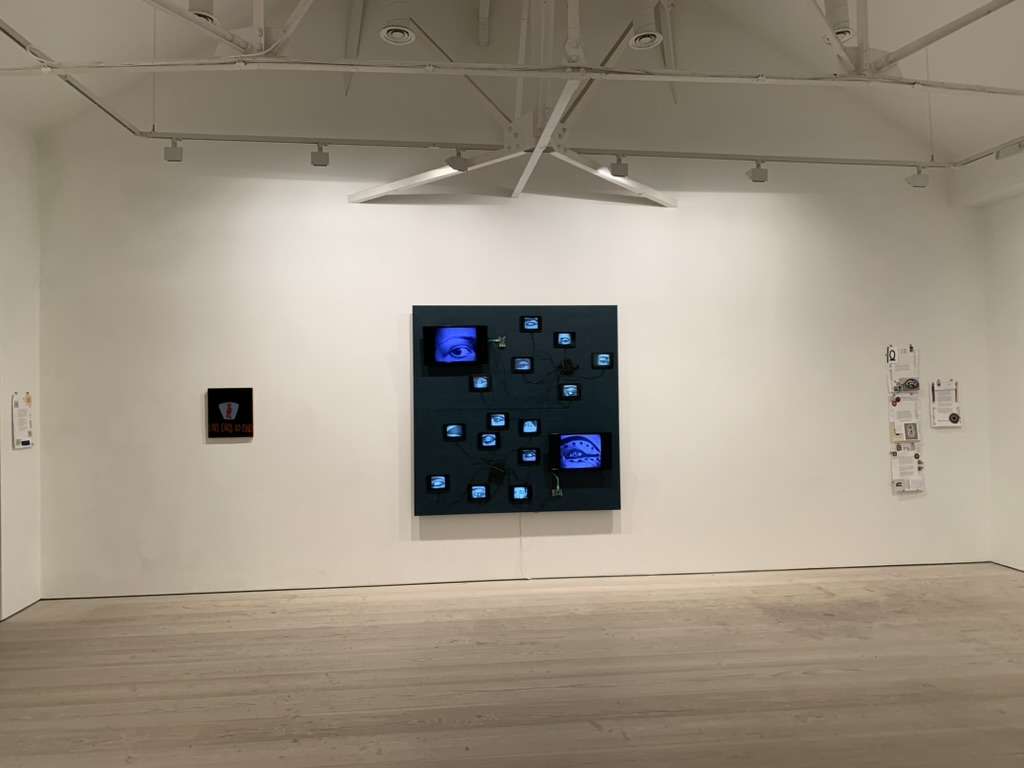
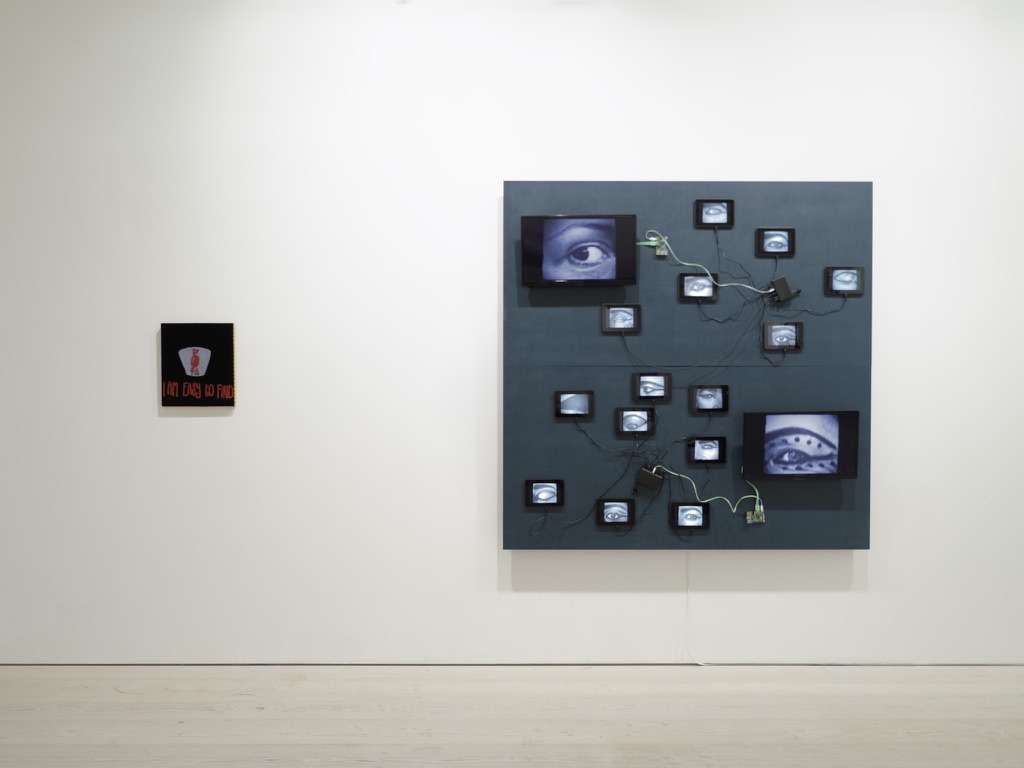
The Night of the Counting of the Years. Saatchi Gallery 2019
2019
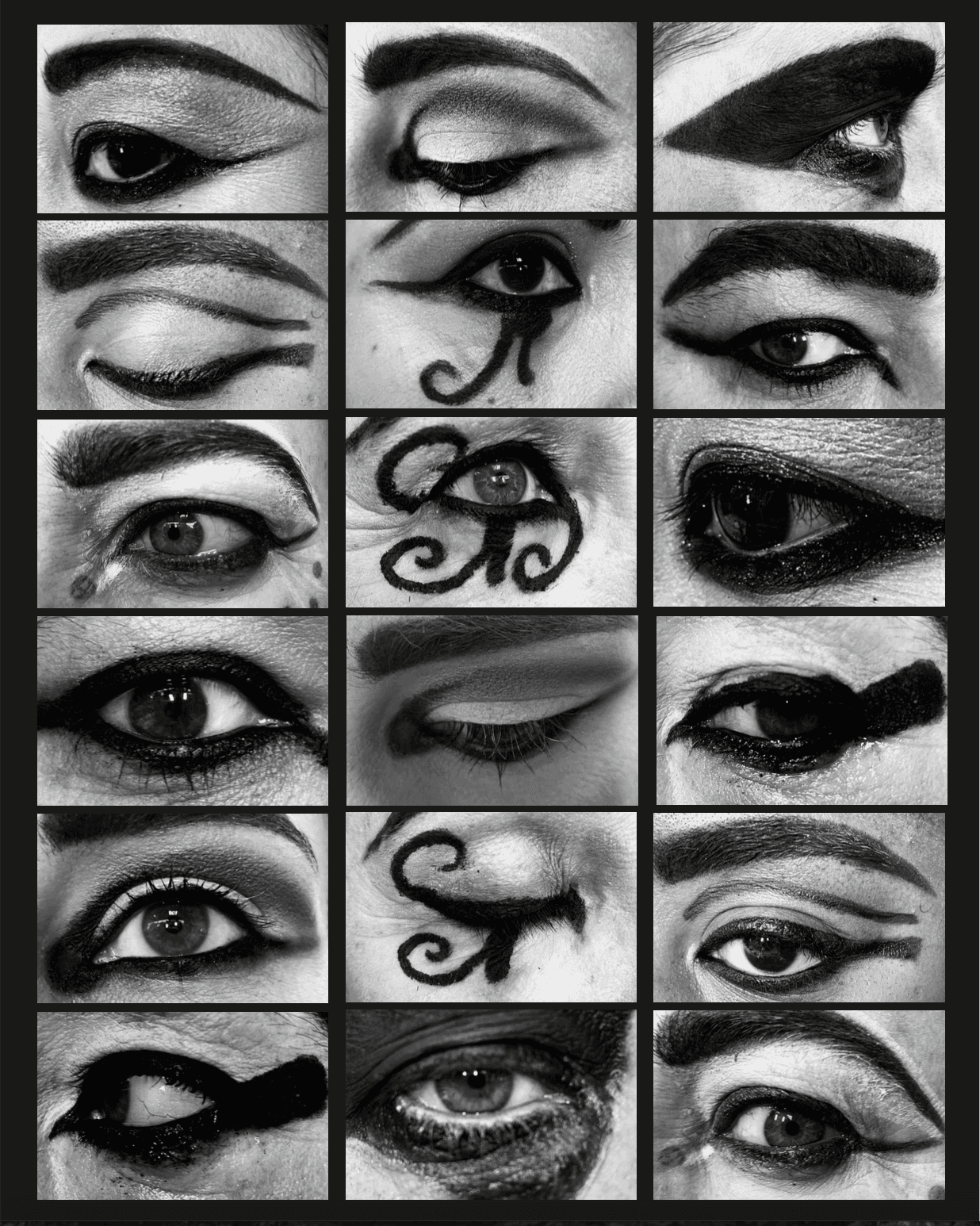
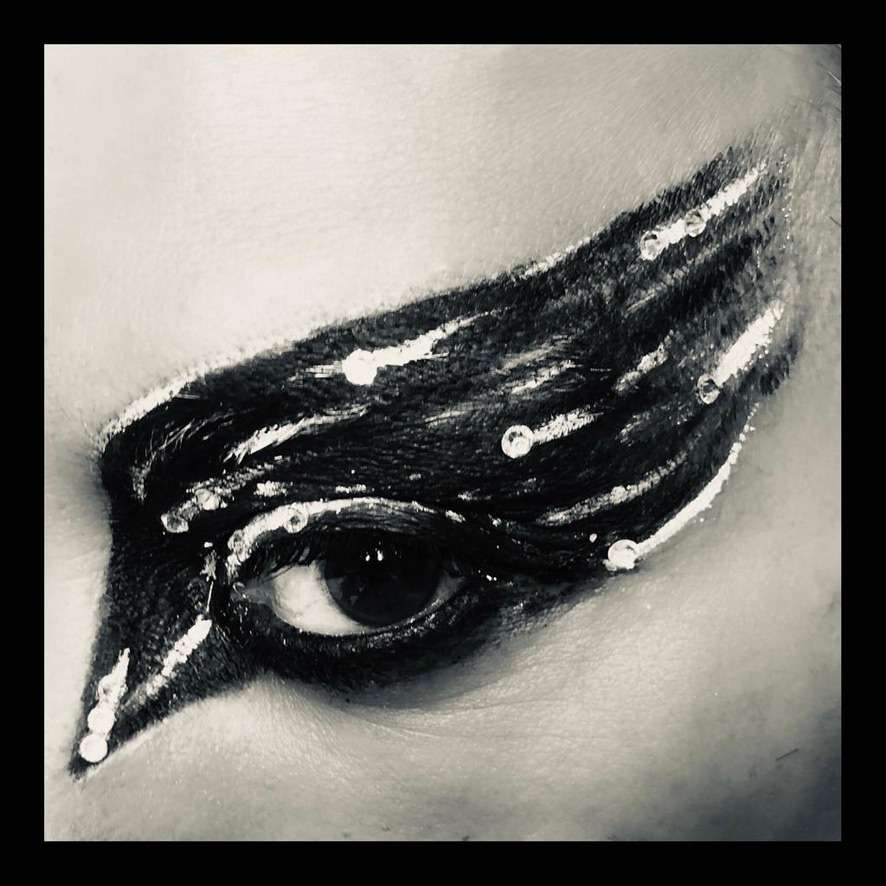
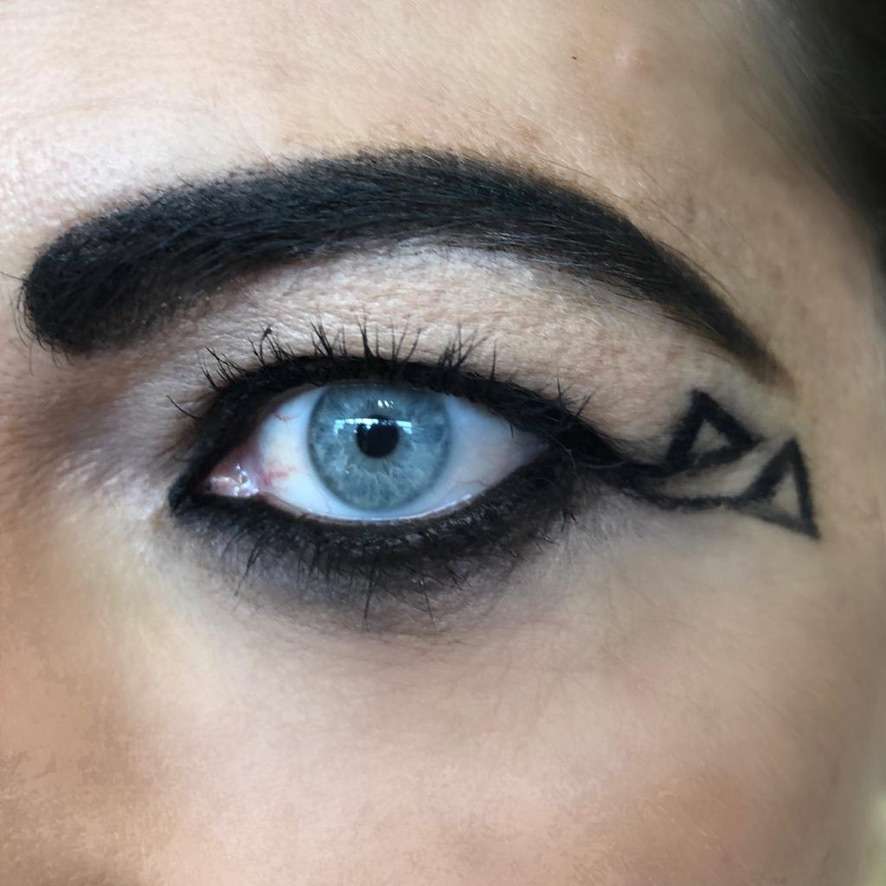
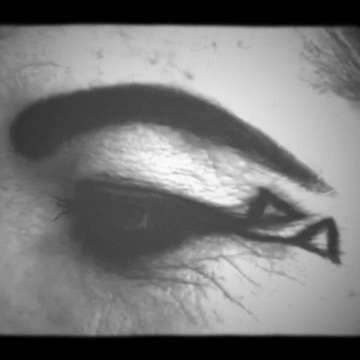
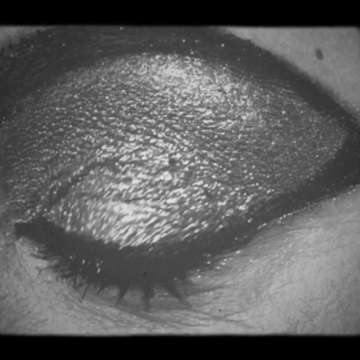
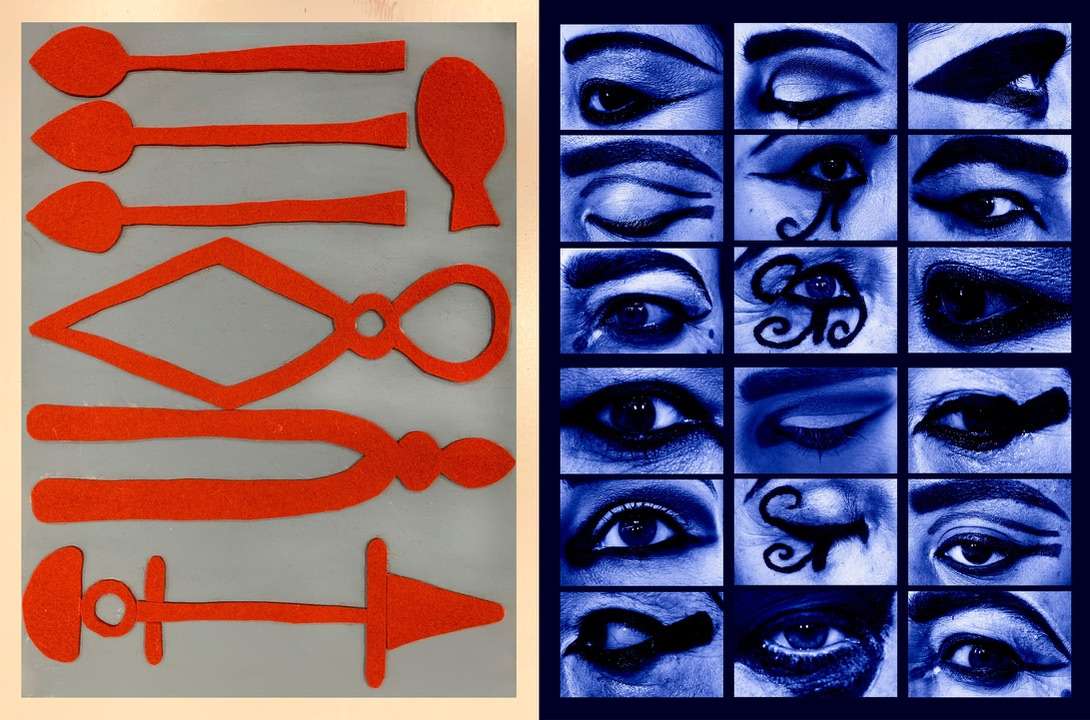
Along with pyramids and mummies, eyes lined with dark liner are a visual go to image of ancient Egypt. The ancient Egyptians used this protective measure to deflect the strong rays of the sun from damaging their eyes. The two main forms of eye make up were grepond eye paint and black kohl. Kohl was made from galena, a dark grey ore. The green paint was made of malachite, a copper carbonate pigment, Crushed charcoal was also used in the process.
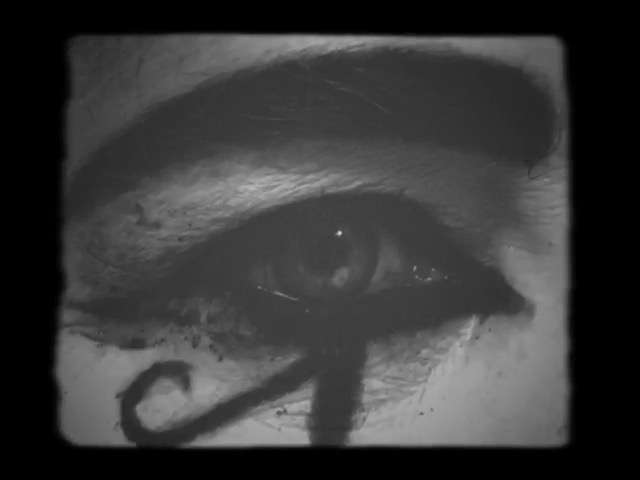
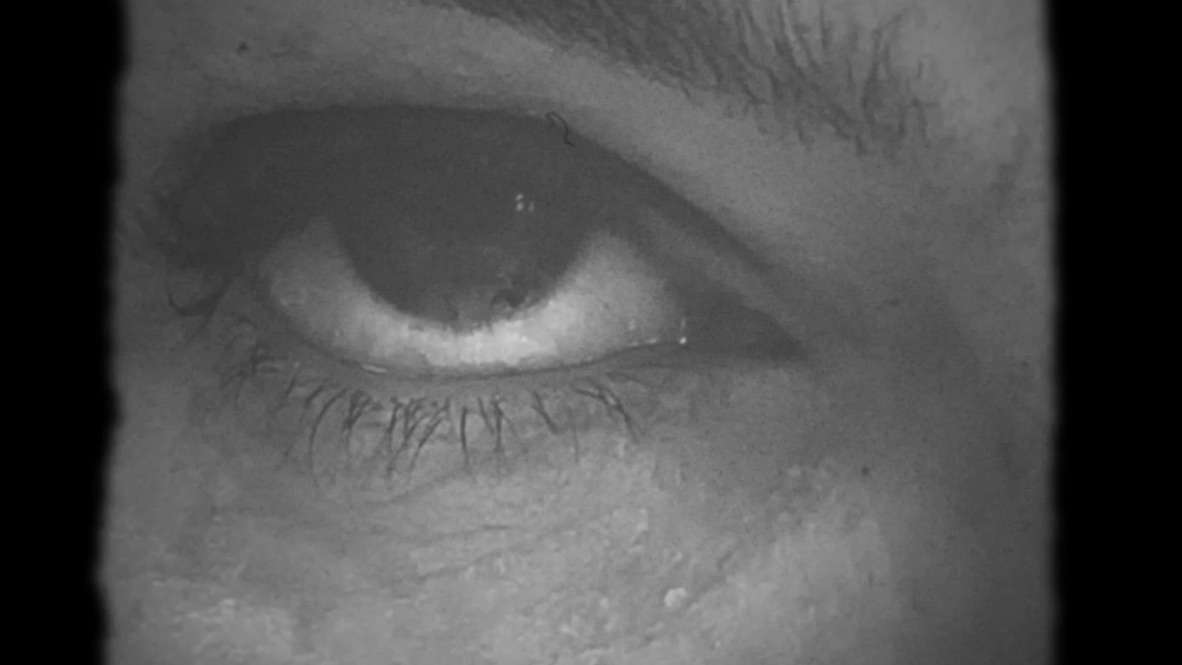
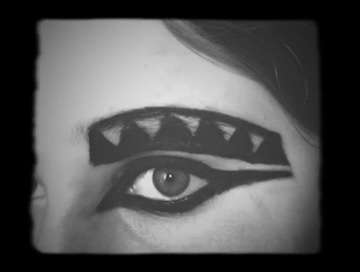
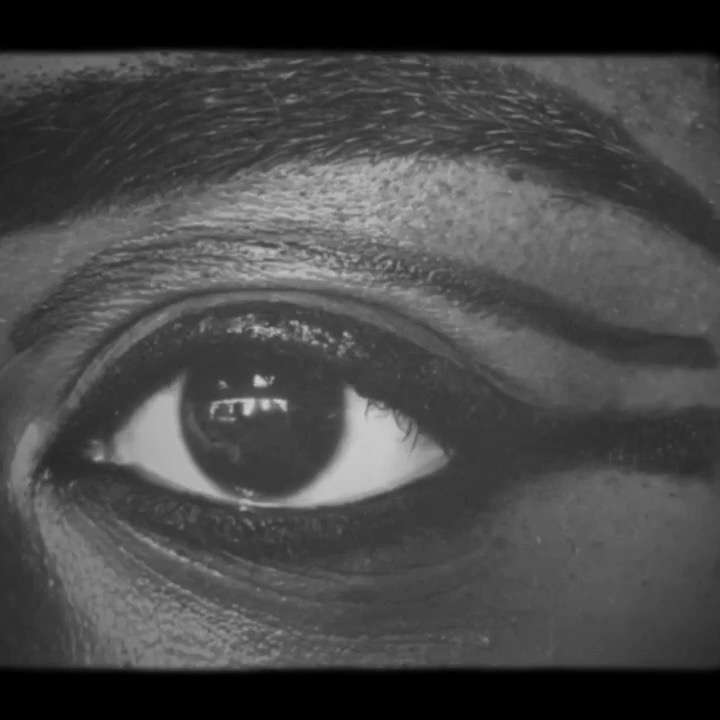
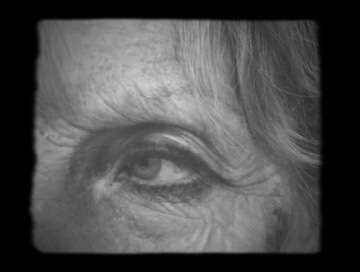
For this installation the celebrated make-up artist, Emma o’Byrne, kindly painted countless eyes on friends, children and passers-by for the “Night of the Counting of the Years”. Daudy borrowed the title of the work from a 1969 film that Egyptian critics consistently list as one of the most important films ever made. It remains largely unknown, both within Egypt and elsewhere, despite winning a number of awards at European film festivals. Thanks (again) to R.B. Parkinson I have come to love this film, and many others such as the great 1970s
12-minute giant “Tale of the Eloquent Peasant”. It magically made ancient Egypt come alive to me.
Set in 1881, on the eve of British colonial rule, “The Night of the Counting of Years” is based on a true story: an Upper Egyptian clan had been robbing a cache of mummies near the village of Qurna and selling the artefacts on the black market. Following a conflict within the clan, one of its members goes to the police and helps the Antiquities Service find the cache.
The film casts the story as a search for an authentic, lost Egyptian national identity (represented by the neglected and misunderstood artefacts of ancient Egyptian civilization). The conflict between city and countryside raises questions that are not resolved in the film, making it an ambiguous, unsettling reflection on the price of identity.